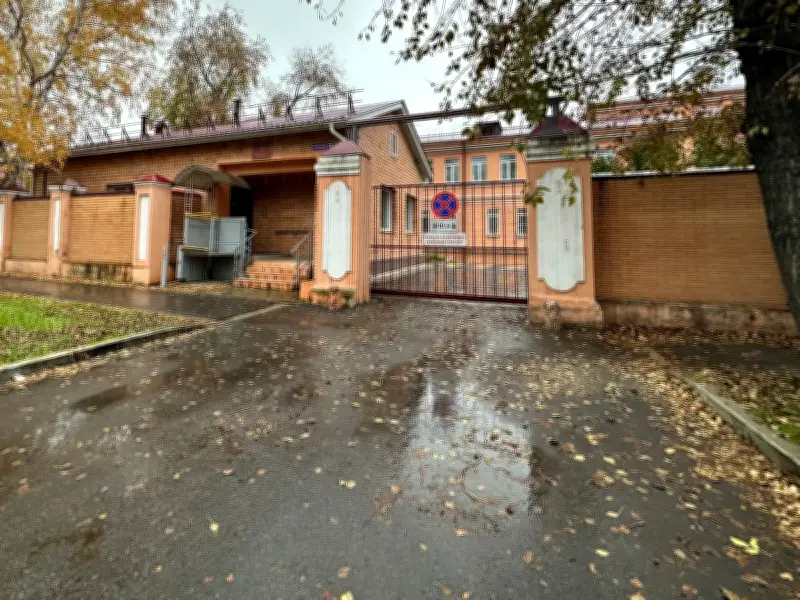
Health authorities say the risk to the UK public from pneumonic plague remains very low after a suspected outbreak in Russia, where a laboratory worker reportedly died. The case is under investigation at the Irkutsk Anti-Plague Research Institute of Siberia and the Far East in south-eastern Siberia.
Darya Shipilova, an employee at the institute, reportedly died after accidentally smashing a test tube containing the potentially deadly pathogen. She is said to have become unwell and died two days later, although exact details remain unclear. Russian authorities have quarantined a hospital and are monitoring contacts of the employee, who contracted pneumonia from an “unknown” cause. They have found no evidence her illness was caused by any of the pathogens she worked with, but media reports suggest she may have died of pneumonic plague.
Risk to the UK public
The World Health Organisation and the UK Health Security Agency (UKHSA) both say the risk is low, and both are monitoring the situation alongside other world leaders, including US President Donald Trump. Jason Murphy, Head of Pharmacy at Chemist4U, has shared his views on the risk to people in the UK, as well as symptoms and treatments.
“People are understandably concerned about the prospect of a pneumonic plague spreading across Russia, following 200 people being placed under strict medical observation,” he said. “Pneumonic plague is spread through tiny droplets that are released from the nose and mouth when someone breathes, sneezes or coughs. The symptoms can be incredibly severe and usually develop quickly, including sudden high fever, chills, fatigue, as well as difficulty breathing and chest pain.”
How serious is pneumonic plague?
Murphy explained: “Pneumonic plague is the most serious form of the illness because of how quickly it can spread between humans and if left untreated, it can be fatal within 24 hours as the infection progresses into severe pneumonia.”
On treatment, he added: “Early detection and treatment are crucial in cases of pneumonic plague. Despite its reputation, however, pneumonic plague is now treatable when identified early, by using strong antibiotics such as gentamicin, doxycycline, and ciprofloxacin. Due to the severity of pneumonic plague, it is likely that patients will be treated in a hospital setting, alongside supportive care such as oxygen therapy and fluid replacement. Modern infection controls, contact tracing and effective antibiotic treatments mean that health authorities are well-equipped to contain cases.”
What the WHO and UKHSA say
World Health Organisation spokesperson Christian Lindmeier reportedly told Russian state-run news agency TASS that its officials were in contact with Russian health authorities. This was “to verify the event, its circumstances, the laboratory tests underway, and their results, the rationale for contact-tracing and the health status of contacts, as well as any potential international public health implication”.
In a follow-up statement, the WHO added that based on “unofficial information… the public health risk to the general population appears to be low”. The spokesperson added all of the victim's contacts have “reportedly been identified and are being monitored for illness, and none to date have shown symptoms of illness”.
President Donald Trump has said the US is looking “very strongly” at the case. Chris Lewis, director of global health protection at the UKHSA, said: “We are aware of media reports that emergency containment measures have been introduced in Russia’s Irkutsk region following the death of an employee at the Irkutsk anti-plague institute. We are seeking information through the International Health Regulations channels to further understand the circumstances and verify the accuracy of these reports. The public health risk from plague to the wider UK population currently remains very low.”