
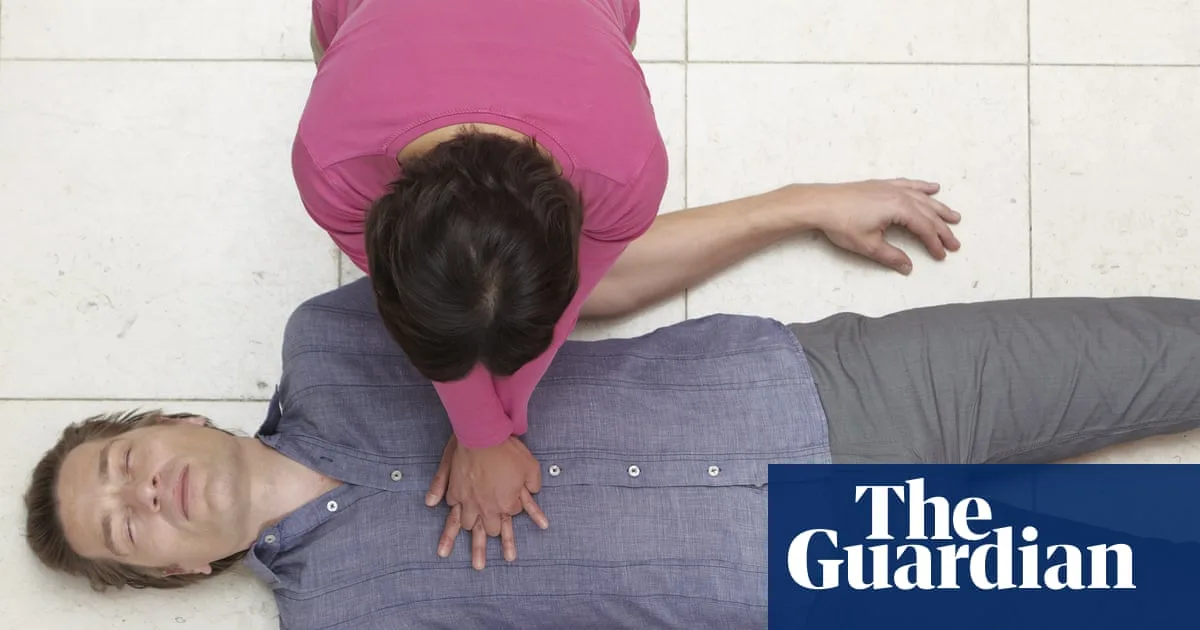
Researchers have found that television dramas often depict cardiopulmonary resuscitation (CPR) inaccurately, potentially discouraging viewers from performing the life-saving technique. The study, published in the journal Circulation: Population Health and Outcomes, analysed 54 episodes of US TV shows featuring out-of-hospital cardiac arrests, including Dexter, Breaking Bad and The Walking Dead.
Only 16 of the episodes showed compression-only CPR, which is recommended by the American Heart Association (AHA) and the NHS for untrained bystanders. Instead, 26 episodes depicted breaths alongside compressions, and 23 showed the layperson checking for a pulse. Lead author Ore Fawole of the University of Pittsburgh said people gain much health information from television, which may influence their actions in real emergencies.
The study also found that only 20% of cardiac arrests on TV occurred at home, compared with about 80% in real life. Over half of the fictional patients receiving CPR were under 40, while the average real-life age is 62. Dr Beth Hoffman, a co-author, noted that community training sessions often reveal confusion about when to check for a pulse or give breaths, which may stem from TV portrayals.
Lizzie Moscardini of the British Heart Foundation said television can both help and hinder CPR knowledge. She highlighted the success of the BHF's hands-only CPR advert featuring Vinnie Jones, but warned that inaccurate depictions can create confusion. She urged the public to learn CPR using the free online tool RevivR, which takes just 15 minutes.




