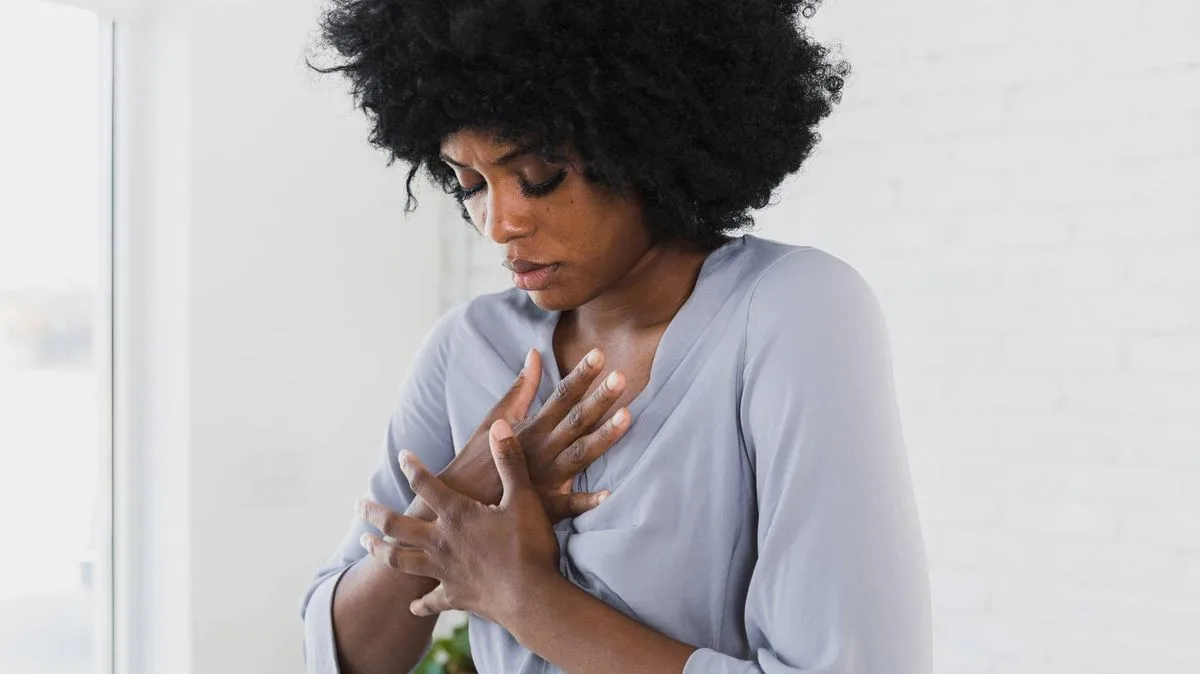
Health experts are issuing a stark warning this festive season over a dangerous condition dubbed the 'silent killer', which can be triggered by Christmas and New Year celebrations. Known as 'holiday heart syndrome' (HHS), it describes the onset of serious cardiac arrhythmias following periods of excessive indulgence, particularly with alcohol.
What is Holiday Heart Syndrome?
The term was first coined in 1978 by a research team led by Dr Philip Ettinger. The study documented 24 patients who were hospitalised with atrial fibrillation (A-fib) after a weekend of heavy drinking. The connection between binge drinking and heart rhythm disturbances was clear, with admissions peaking on Sundays and Tuesdays after holiday sprees.
HHS typically occurs after consuming at least 15 units of alcohol within 24 hours. This is roughly equivalent to seven and a half pints of 4% beer or one and a half bottles of 13% wine. While alcohol is a primary trigger, experts now know the syndrome can also be provoked by high caffeine intake, rich, salty foods, and significant psychological stress—all common features of the festive period.
The Dangers of Atrial Fibrillation
Atrial fibrillation is the most common heart rhythm disorder in the UK, affecting around 1.4 million people. It causes the upper chambers of the heart (the atria) to quiver or fibrillate irregularly, preventing the organ from pumping blood efficiently. This significantly raises the risk of blood clots forming inside the heart, which can lead to a stroke.
Alarmingly, A-fib can sometimes present with no symptoms, making it a genuine 'silent killer'. When symptoms do occur, they can include:
- Palpitations (a thumping or fluttering heartbeat)
- Breathlessness
- Dizziness or feeling faint
- Tiredness
There are several types of atrial fibrillation, including paroxysmal (episodes that come and go, often stopping within 48 hours) and persistent or permanent forms.
Seeking Help During the Holidays
Holiday heart syndrome episodes often manifest as paroxysmal atrial fibrillation, lasting around 24 hours. However, recognising the warning signs and acting quickly is vital. Medical professionals urge the public not to delay seeking help because of the time of year.
Dr Amir Lotfi, a heart specialist from the Heart and Vascular Program at Baystate Medical Center, cautions: "All too often, people wait to decide to go to the emergency room because they don't want to ruin the holiday for others, putting them at risk for greater consequences."
The NHS advises that you should attend A&E immediately if you experience chest pain, which is a medical emergency. This warning serves as a crucial reminder that while enjoying festive cheer, moderation and awareness of your body's signals are essential for protecting your long-term health.




