
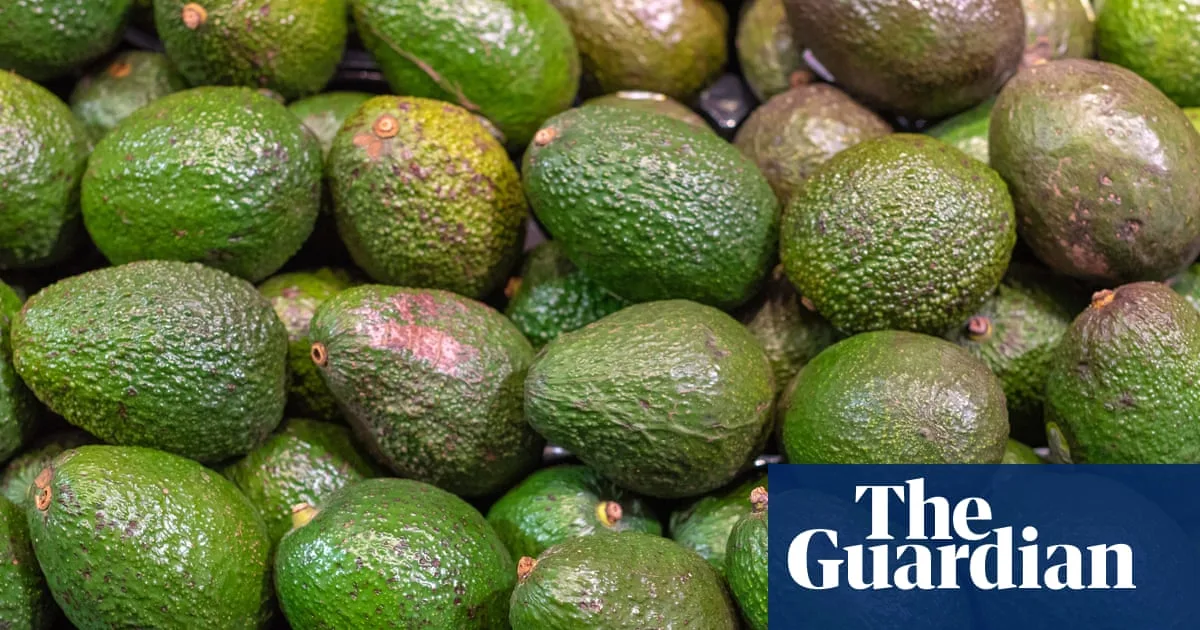
A new study suggests that eating potassium-rich foods such as avocados, bananas, and spinach could reduce the risk of heart conditions, hospitalisation, or death by 24%. The research, presented at the European Society of Cardiology congress in Madrid, highlights the potential benefits of increasing dietary potassium, especially for heart patients.
The study involved 1,200 heart patients in Denmark with implantable cardioverter defibrillators (ICDs). Half were given dietary advice on boosting potassium levels. Results showed that a dietary increase in blood potassium was associated with a significantly lower risk of heart conditions, heart-related hospitalisation, or death from any cause.
Senior study author Prof Henning Bundgaard from Copenhagen University Hospital explained that modern diets are high in sodium and low in potassium, a dramatic shift from our evolutionary diet. He noted that potassium is crucial for cardiac function and that low potassium increases the risk of arrhythmias, heart failure, and death.
Dr Carrie Ruxton, a dietitian not involved in the study, emphasised that while cutting down on salt is well-known, few realise the importance of increasing potassium for preventing strokes and heart attacks. She pointed out that a third of teenagers and a quarter of UK adults are at risk of potassium deficiency.
Dr Sonya Babu-Narayan from the British Heart Foundation advised increasing potassium through diet—including vegetables, fruit, pulses, fish, nuts, and seeds—but warned against supplements unless supervised by a doctor, as too high potassium can be dangerous.




