
I saw in this summer with the brief stays of Arctic-bound birds. Waders from the south came in such number and variety to my local patch near Tollesbury that for one week in May I went down to the marsh every dawn and dusk. I went to watch and feel the motion of it all at the turn of tide and time. Everything was change.
They kept coming, new species every day, ready to leave even as they arrived at this pool in the north-east corner of a field by the vast sweep of flats and creeks that give Essex more coastline than any other county in England.
There were familiar birds: redshank, lapwing, dunlin, bright and sharp for breeding. Others were rarer, vagrants from Africa, touching down to fuel up: whimbrel, curlew sandpiper, little stint, wood sandpiper, pectoral sandpiper, Temminck's stint – even, most exotically, a star-spangled American golden plover.
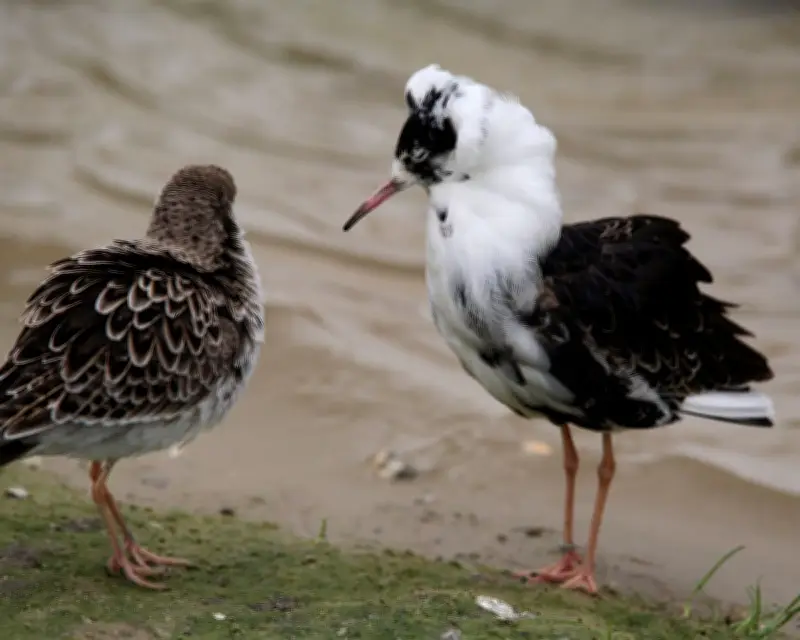
Of all these birds, though, the male ruffs were the most spectacular. Unlike some, they lingered for two whole weeks, which meant I watched them transform visibly into their own brilliant seasons with each passing day. They arrived bedraggled and patchy, as though late for work and dressing on the run.
When they left, they were fully summered, a spectacle we hardly ever see in Britain: headgear like high-society hats, some fired-clay red, others damasked black or poodle white, all ruffed up and strutting on long legs like ludicrous Walter Raleighs (the male's Elizabethan-style neck plumage gives the species its name). All were quick to the lengthening light that leads them to the top of the revolving earth.
Watching these waders, I thought often of a fellow Essex naturalist who would have celebrated his 100th birthday this year. JA Baker, the author of the nature-writing classic The Peregrine, watched shore birds all his life on the Blackwater Estuary, in the very places where I do now. He described them as “beyond all other birds, as far out as they can go”. I know what he means, out here on the edge of things. These birds show us – they are – the progress and passage of the world.




