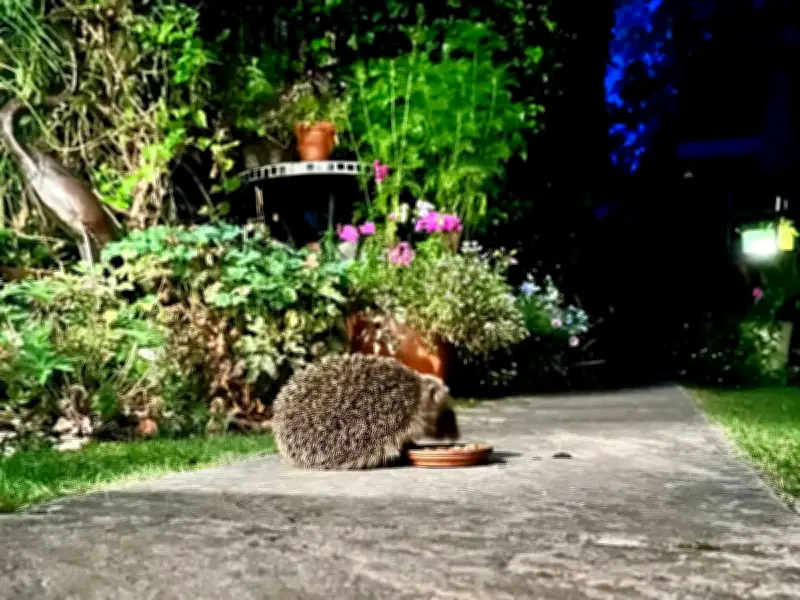
UK households are being urged to leave a small bowl of food outdoors this autumn to help hedgehogs prepare for hibernation, with a wildlife expert describing the gesture as the "difference between life and death."
People nationwide are being asked to set out a modest portion weighing between 50 and 100g per hedgehog each night. The call follows a difficult summer marked by drought and challenging weather, which has left hedgehogs with significantly diminished energy reserves as they race to build up fat stores before winter.
Hedgehog populations in decline
According to The Wildlife Trusts, hedgehog populations are falling across the UK. The species is classified as vulnerable to extinction in Great Britain on the Red List for Mammals and Near Threatened globally on the IUCN Red List, with rural populations having dropped by 30% to 75% since 2000.
Wildlife expert Sean McMenemy, founder of Ark Wildlife, has offered advice on how the public can help hedgehogs during this pivotal time of year.
Safe weight for hibernation
Hedgehogs must reach a healthy weight before hibernation or risk dying. A safe weight for hibernation is roughly six hundred grams. Sean recommends a visual check: a plump, well-rounded hedgehog approximately the size of a grapefruit (or preferably bigger) is typically in decent shape. Those appearing small, skinny, or insufficiently rounded may struggle to survive hibernation without help.
"Hedgehogs must carry enough energy to last through the winter months, when they will not eat at all," Sean says. "If they enter hibernation underweight, there is a high chance they will not wake in the spring."
Never give hedgehogs milk, as they are lactose intolerant and lack the digestive enzymes to break it down. Drinking cow's milk leads to agonising stomach cramps, bloating, and severe diarrhoea.
Creating hedgehog highways
Roughly 70 per cent of a hedgehog's natural diet is made up of beetles, caterpillars, worms, and other invertebrates, which supply vital protein, fats, and minerals. Yet modern urban settings provide fewer chances to forage. Extensive hard landscaping, habitat destruction, and declining insect diversity mean that numerous hedgehogs simply can't find enough food in autumn.
Making small openings at the bottom of fences, called 'hedgehog highways', enables them to travel between gardens in search of food and shelter, Sean says. He adds that hedgehog populations have declined dramatically in recent decades, especially in rural locations. Gardens now serve a vital function in supporting the species.
Supplementary feeding advice
Throughout autumn, providing supplementary food can prove lifesaving. Sean recommends either a specialist hedgehog food that mirrors their natural insect-based diet, or poultry-based cat or dog food. A modest portion of approximately 50g-100g per hedgehog each night is typically adequate, he advises.
Food ought to be positioned in a quiet, sheltered spot within the garden, preferably inside a covered feeding station to avoid disturbance from pets or larger wildlife, he notes. Offering food at dusk corresponds with natural hedgehog behaviour and helps guarantee the food is consumed quickly.
"Hedgehogs are shy by nature," Sean explains. "They feed best when they feel secure, so providing cover is just as important as providing food."
When to seek help
While hedgehogs are nocturnal creatures, the occasional daytime appearance isn't necessarily cause for concern. Nursing females and hungry juveniles may sometimes search for food during daylight hours. Any hedgehog that seems lethargic, unresponsive, staggering, shaking, or injured requires immediate attention, and a wildlife rescue centre or vet ought to be contacted without delay.
Simple wildlife-friendly gardening can make a dramatic difference to hedgehog survival rates. Piles of leaves, stacked logs and undisturbed garden corners all help to support the natural insects that hedgehogs feed on. Avoiding harmful chemicals and taking care when operating strimmers can also prevent many unnecessary injuries.
"Every connected garden becomes part of a larger habitat," Sean said. "If households work together, we can create continuous safe corridors for hedgehogs to feed and travel."
With winter drawing in, the weeks ahead will prove decisive for hedgehog survival. Those animals that have fed well stand a strong chance of making it through to spring. Sean concludes: "This is the most important time of year to support hedgehogs. A bowl of food, a bowl of water and a safe space can be the difference between life and death."