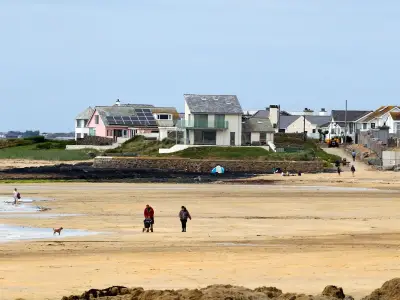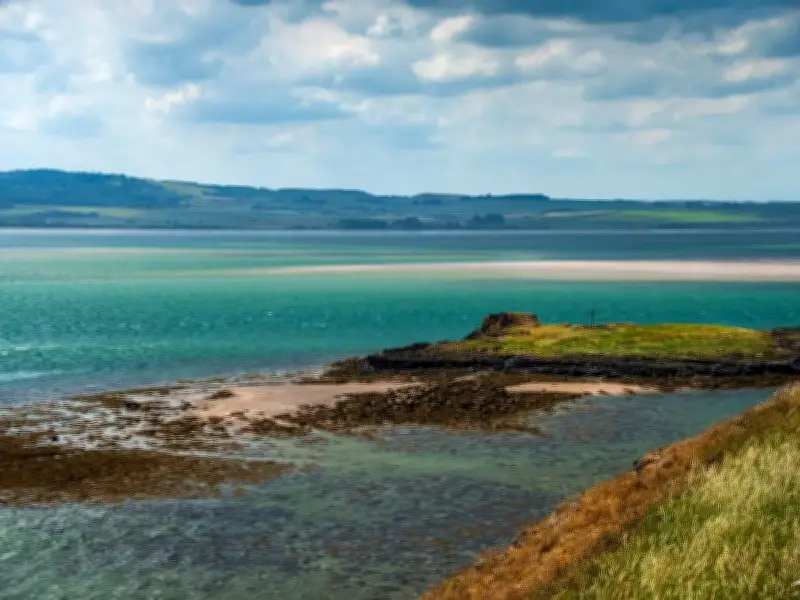
Holy Island, also known as Lindisfarne, is a tidal island off Northumberland's northeastern coast near Berwick-upon-Tweed. Despite a resident population of just 160, it attracts more than 650,000 visitors each year who come to explore its ancient remains and abundant wildlife.
Access is only possible across a metalled causeway during suitable North Sea tide conditions. Visitors must check crossing times carefully before travelling to avoid becoming stranded or facing unsafe entry.
Ancient remains and historic sites
The island is home to the ruined Lindisfarne Priory, founded by Saint Aidan in 635 AD. It became a major centre for Celtic Christianity and produced the celebrated Lindisfarne Gospels, but was destroyed during a Viking attack. Today the site is managed by English Heritage, with a museum on site, and visitors need a ticket to view the ancient remains closely.

Sharing the island is Lindisfarne Castle, perched on a hillside with views over the shoreline and owned by the National Trust. It generally opens from spring to late autumn, though daily access hours vary with tidal patterns.
Wildlife and natural beauty
Visitors are almost guaranteed sightings of grey and harbour seals, which gather in large numbers on the sandbanks and tidal flats around the island. The Lindisfarne National Nature Reserve supports these marine mammals along with many other species.
In winter, tens of thousands of waterfowl arrive, including wigeon, grey plover, and a significant share of the global population of light-bellied brent geese, which feed on the mudflats. One recent guest advised taking binoculars to spot seals in the clear waters, while others noted that listening to the seals was a memorable highlight of their visit.