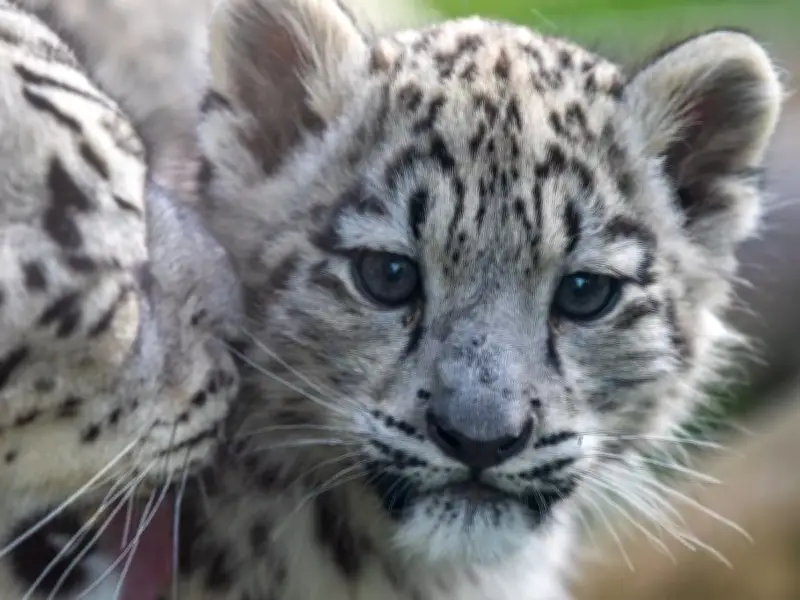
Indra, a rare snow leopard cub born at the Highland Wildlife Park in Scotland, has been put to sleep after being diagnosed with an incurable bone condition. The cub was born alongside his twin sister Tama to first-time mother Pari and her mate Koshi at the Royal Zoological Society of Scotland in June.
First litter in four years
The pair were the first litter at the Kincraig site in four years. However, park bosses announced that the male cub, Indra, had been put to sleep after it was discovered he had an incurable bone condition that would have a significant negative impact on his quality of life.
The diagnosis came after staff noticed he had developed a limp. Park chiefs described the decision as "difficult."
Tribute to Indra
Paying tribute, a spokesperson said: "He was a joy to watch grow and will be greatly missed by us all. Our thoughts are with our colleagues who were involved in his care.
"We are sad to share that Indra the male snow leopard cub has been put to sleep. Our dedicated keeper and veterinary teams had been monitoring him following the development of a limp.
"After extensive medical examinations and specialist assessments, it was confirmed that Indra had an incurable bone condition which would have a significant negative impact on his quality of life. After careful consideration, the difficult decision was made to put Indra to sleep."
Earlier milestones
In July, the cubs were seen taking their first steps, with footage showing the pair curiously looking outside and cautiously taking a wander. Animal care manager at Highland Wildlife Park Lucy Petrie said at the time: "After months of carefully introducing Koshi and Pari and giving nature the opportunity to take its course, we're delighted to see that patience pay off.
"We are really looking forward to our visitors meeting them as they grow and take their first steps outside of the den in the next few weeks. Pari is a first-time mum, so we are keeping a close eye on how she is coping.
"Her instincts have kicked in and she is doing a wonderful job of raising the cubs. While the cuteness is an excellent reason to be excited, it's even better for the snow leopard population, which is decreasing in the wild.
"These new faces are going to be great ambassadors for their wild relatives, helping raise awareness of the challenges this beautiful and enigmatic species face every day."
Snow leopard cubs are born blind and typically do not open their eyes until approximately a week after birth. For the first two months, the cubs rely entirely on their mother's milk, and only begin to eat meat as they grow stronger and more developed.