Samba the capybara, who escaped from Marwell Zoo in Hampshire on March 17, has been caught on camera for the first time in more than six months, with keepers now using a feeding area to encourage her safe return.
Samba broke out alongside her sister Tango while the pair were being moved into a temporary enclosure. Tango was quickly recovered after being found hiding in bushes close to the zoo, but Samba has remained on the run since.
Breakthrough in the search
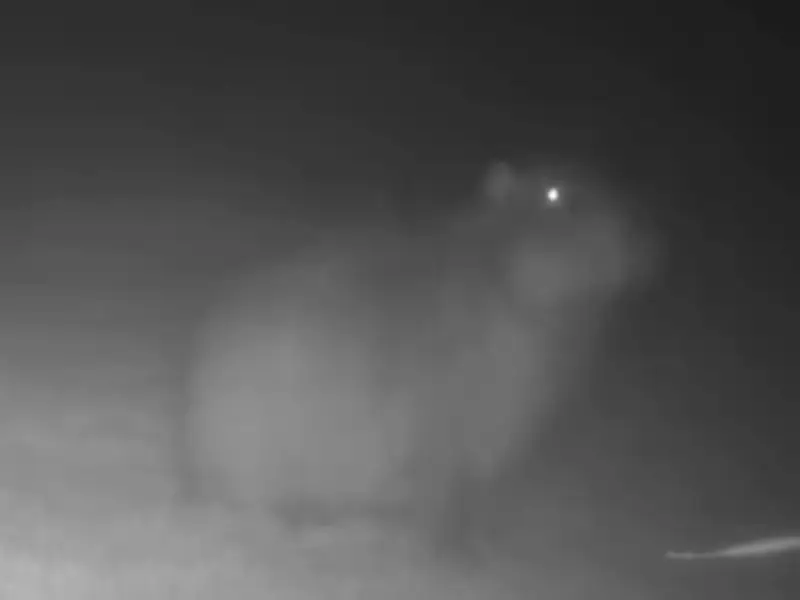
Keepers have now made a breakthrough after cameras placed in the area where Samba is believed to be living captured fresh images of the animal. Rather than rushing in to retrieve her and risk sending her running again, the team is using food to encourage Samba to return to the same spot.
A spokesperson for Marwell Zoo said: “Recovering Samba is a gradual and carefully managed process. Although we know the area she is in, it isn’t simply a case of being able to approach and collect her.
“It’s vital that we keep any stress to an absolute minimum, as frightening or disturbing her could cause her to move away from the area and make her safe recovery more difficult. Over recent weeks, we have installed additional wildlife cameras, which have provided further photographic evidence of Samba.”
Feeding area and previous sightings
The spokesperson added: “We have also been establishing a feeding area, encouraging her to become familiar with the location and return regularly. This is an important step in our plans to safely recover her. As Samba is currently on private land, and to avoid disturbing her or disrupting our ongoing efforts, we are keeping details of her exact location confidential.”
The latest development follows an extensive search that has included thermal drones and sniffer dogs. Samba has been spotted several times since her escape, including by a dog walker who saw the large rodent sitting on a river bank before she reportedly jumped into the water after being startled by a barking dog. Another confirmed sighting came in August when a member of the public photographed an animal later confirmed by the zoo to be Samba.
Life back at the zoo
Her escape also caused a stir near The Ship Inn in Owslebury, where customers were taking part in a quiz night on the evening she disappeared. Quizzer Nicky Scott said: “There was a bang on the window and one of my team pointed at a capybara sitting in the road. I ran out and followed it down the lane until it disappeared into a hedgerow.”
Capybaras are native to South America and are the world’s largest living rodents. The semi-aquatic animals have stocky bodies, short legs and partially webbed feet and are often found living close to water.
In July, the zoo announced the arrival of seven-year-old male capybara Ripple, who was brought in to live alongside Tango. Keepers said the move was made to ensure Tango’s “continued welfare by providing her with appropriate companionship” while her sister remained missing. The zoo stressed Ripple’s arrival would not affect its efforts to find and recover Samba.
Keepers are continuing to monitor Samba’s movements and feeding routine before deciding when it is safe to attempt to finally bring the elusive capybara home.