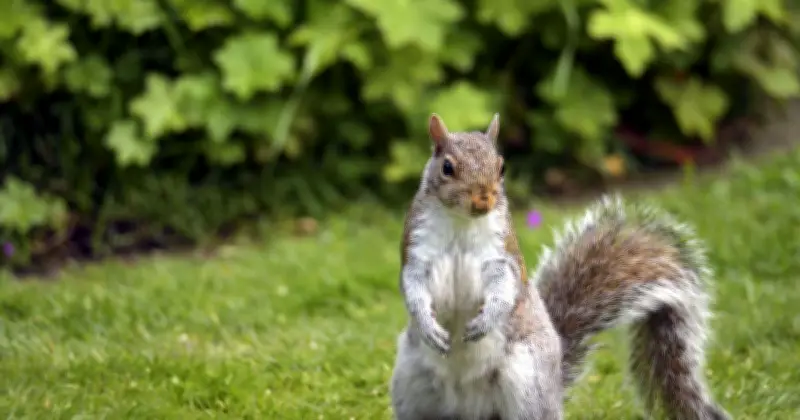
The RSPCA has issued advice for anyone who finds a sick or injured squirrel in their garden, warning that frightened creatures can scratch or bite. The animal welfare charity says people should be particularly careful when approaching wild animals, especially injured squirrels, which can move quickly and have very sharp teeth.
Signs a squirrel may be sick or injured
According to the RSPCA, signs that a squirrel could be sick or injured include moving very slowly or not moving when approached. Other warning signs include obvious injuries, swollen or sore areas around the face, or a hunched-over posture.
Grey squirrels cannot be released
There is an important distinction for people who find a grey squirrel in distress. The RSPCA says it can no longer rehabilitate and release grey squirrels, even when they have been injured and treated. In some cases, humane euthanasia may be the best option to prevent an animal suffering unnecessarily.
The charity advises people to contact their local vet if they find a sick or injured grey squirrel rather than attempting to care for and release it themselves. This is because grey squirrels are classed as a widely spread invasive non-native species. Government guidance covering England and Wales states that grey squirrels are among the listed species and must not be released into the environment.
What to do if you find an injured squirrel
The rules mean anyone who has already taken a grey squirrel out of the wild, for example to take it to a vet, must not simply release it back into the wild afterwards. GOV.UK says it must instead be taken to a facility with the appropriate licence or permit to keep it.
For anyone needing to transport an injured squirrel to a vet, the RSPCA recommends wearing thick gloves and quickly placing it into a secure metal or plastic pet carrier with ventilation holes. The carrier should be lined with a towel or newspaper, while people should take particular care because squirrels can bite and are extremely fast.
The advice is different for red squirrels, because the restrictions affecting grey squirrels do not apply to them in the same way. The RSPCA says injured or orphaned red squirrels should be taken to a local vet for help.
So while a squirrel appearing in the garden is not itself a reason for alarm, an animal that looks injured or unusually unwell should be treated cautiously. The safest approach is to avoid unnecessary handling and contact a vet for advice, particularly if it is a grey squirrel.