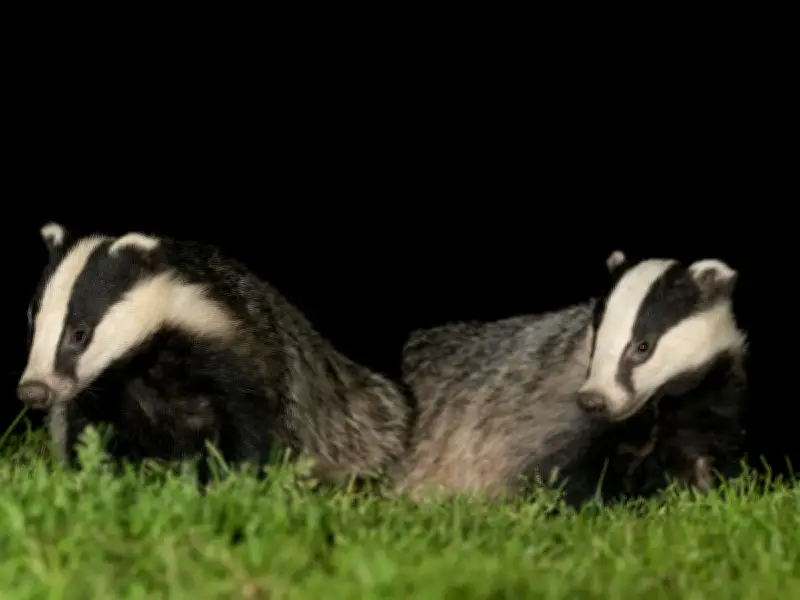
Badgers are regular visitors to gardens across the UK, and as temperatures drop, households may want to help hungry animals find food. The RSPCA says small amounts of supplementary food can be offered when natural supplies are running low, but warns against turning gardens into an all-night buffet.
What to feed badgers in cold weather
Badgers are nocturnal rather than true hibernators, although they spend more time underground during the winter months. Their favourite food includes earthworms, which can become difficult to find when the ground is frozen or conditions are particularly cold.
Suitable options include wet cat or dog food, carrots and other root vegetables, cooked potato, apples, plums and pears, unsalted peanuts or Brazil nuts, as well as specialist badger food.
Risks of overfeeding and road dangers
The charity warns that food should only be provided in small quantities because badgers can become dependent on non-natural food or on people supplying it. The location of the feeding spot matters too. The RSPCA says people should not put out food if it encourages badgers to cross a busy road, where a nightly food stop could create a serious danger for the animals.
Any leftovers should also be dealt with rather than simply left outside until the next evening. The RSPCA advises removing food that could go off overnight and replacing it with fresh food when appropriate.
Scottish advice and garden safety
Scottish households may already recognise the animals from rural gardens, where badgers can sometimes venture out in search of food. The Scottish SPCA says badgers mainly eat earthworms but also feed on berries, nuts, seeds, small animals, fruits, roots and insects.
The Scottish SPCA also warns people not to try to handle a sick or injured badger themselves because they can become aggressive when frightened or in pain. Anyone concerned about an injured badger in Scotland should contact the charity's animal helpline rather than attempting to catch it.
There are other simple ways to make a garden safer for visiting wildlife. The RSPCA recommends making ponds and swimming pools safer by providing a plank or slope that gives any animal that falls in a way to escape.
For anyone lucky enough to have badgers visiting, the best approach is to give them space while offering only limited help when the weather makes natural food harder to find. A few suitable nibbles can be useful, but the RSPCA's advice is clear that supplementary feeding should never replace the animals' natural foraging.