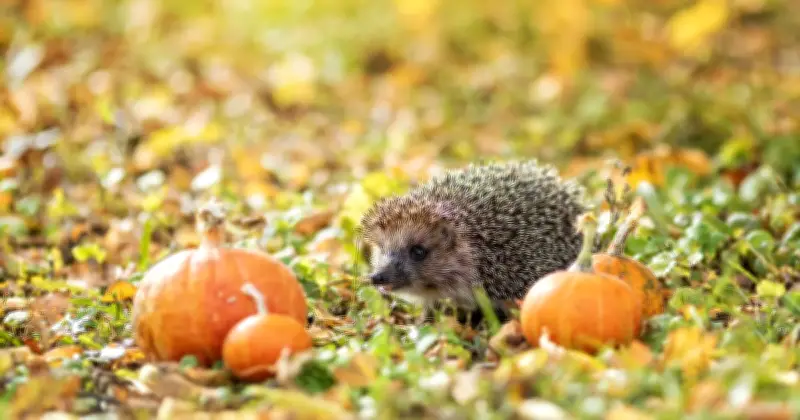
The RSPB has warned that leaving leftover Halloween pumpkins outside could make hedgehogs seriously ill, as the charity urges households to dispose of the vegetable safely this autumn.
With October drawing to a close, many families across the UK will soon be carving pumpkins and putting up decorations. However, what people do with their pumpkins afterwards could create problems for wildlife.
Why pumpkins are dangerous for hedgehogs
Although some people may believe they are helping by leaving food out for animals, pumpkin can actually cause hedgehogs to suffer an upset stomach. In more serious cases, this can lead to dehydration, which can be fatal.
The warning comes as the wildlife charity shares advice on how people can enjoy Halloween and Bonfire Night without putting animals in danger.
What to do with leftover pumpkins
According to the RSPB, an estimated 10 million pumpkins are grown for Halloween in the UK each year, with most eventually ending up in landfill. Rather than leaving them in the garden for animals to eat, the charity suggests making use of the leftovers in other ways.
Pumpkin can be used in homemade soups, stews and pies, while the seeds can also be prepared for garden birds. The RSPB recommends roasting the seeds without salt, spices or oil before crushing them into smaller pieces to make them easier for birds to eat.
Another option is to add leftover pumpkin to a compost heap. The charity advises chopping it into small pieces first, which can help it break down and provide useful compost for the garden. However, it is important to keep the pumpkin somewhere hedgehogs cannot reach it.
Bonfire and fireworks advice
The RSPB has also issued advice for households planning bonfires this autumn. Piles of wood and leaves can look like ideal places for hedgehogs to shelter as temperatures begin to drop. Anyone planning a bonfire is encouraged to build it on the day it will be lit, rather than leaving it standing for several days.
If a bonfire has already been prepared, the charity recommends moving the materials to a different patch of open ground where possible, to check that no animals are hiding underneath.
Fireworks are another concern, with loud bangs and bright flashes potentially frightening birds, bats and other wildlife. The RSPB advises keeping fireworks away from nature reserves, trees, hedges and other areas where animals may be sheltering.