The Royal Society for the Protection of Birds (RSPB) has warned that wet weather and rain increase the risk of trichomonosis, a fatal parasitic disease affecting garden birds that spreads through damp, contaminated bird feeders.
After weeks of hot weather and successive heatwaves, forecasters say rain is on the way for parts of the UK. With wetter weather forecast across parts of the UK and as August comes to an end, anyone with a bird feeder should check that rain is not getting into the food.
Damp food allows disease to survive
The RSPB warned that research has shown a worrying decline in some garden birds due to trichomonosis, which is highly contagious and can spread where birds gather in large numbers such as at bird feeders. Greenfinches, for example, have dropped by over 65% in the last 30 years.

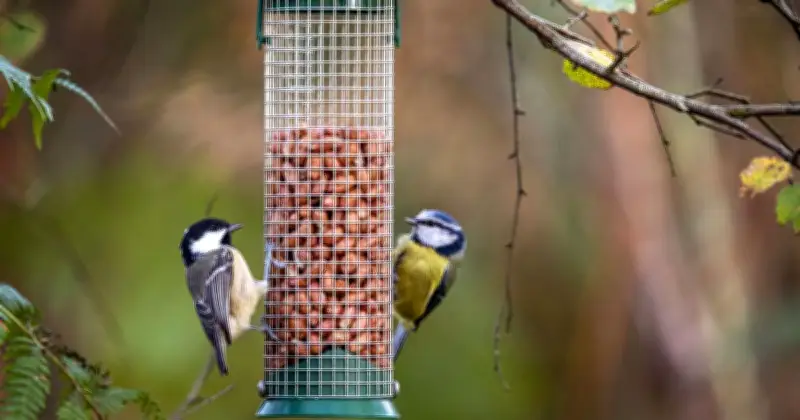
The RSPB is urging anyone with bird feeders in the garden to keep food as dry as possible and choose feeders that prevent rain getting in and allow excess water to drain away. The RSPB wrote: "Damp food allows disease to survive and spread. Choose feeders that prevent rain getting in and limit condensation."
Cleaning and feeder placement advice
Old or uneaten food should also be removed rather than left to accumulate. Busy bird feeders can become hotspots for disease, and to help keep birds healthy, it is vital to keep things clean, the RSPB warned.
Those with bird feeders in their garden should clean bird feeders and bird baths regularly. The RSPB advises cleaning feeders at least weekly and changing bird-bath water daily. Feeders should be moved regularly to help prevent a build-up of food and droppings underneath them, and kept away from places where birds roost, such as directly beneath trees, where droppings could contaminate food.
Flat feeding surfaces, including bird tables, window feeders, and feeders with trays, should be avoided as they can increase the risk of contamination between birds. Feeding should be done in moderation, with bird-bath water changed daily and the container cleaned regularly.
Feeding pause and weather forecast
To help birds find natural food sources, the RSPB suggests filling outdoor spaces with bird-friendly plants, including sunflowers, teasels, and ivy. The scientific evidence shows that the risk of trichomonosis outbreaks is highest in summer and autumn.
The RSPB is urging people to pause feeding garden birds seeds and peanuts between May 1 and October 31. Small amounts of mealworms, fatballs, or suet can continue to be offered.
The warning comes as the Met Office forecasts a change to more unsettled conditions across the UK. The Met Office's long range forecast for the period of August 30 to September 8 states: "An unsettled period is likely, with showers or longer spells of rain possible across many parts of the UK."
"Some heavy rain is likely, perhaps with some thunderstorms too. Rainfall amounts will probably be above average for the time year and there is potential for some strong winds at times. Some drier and more settled interludes could develop at times, but these will likely be short-lived. Temperatures are likely to be near average, although some short-lived warm or very warm spells are possible, especially in the south."