
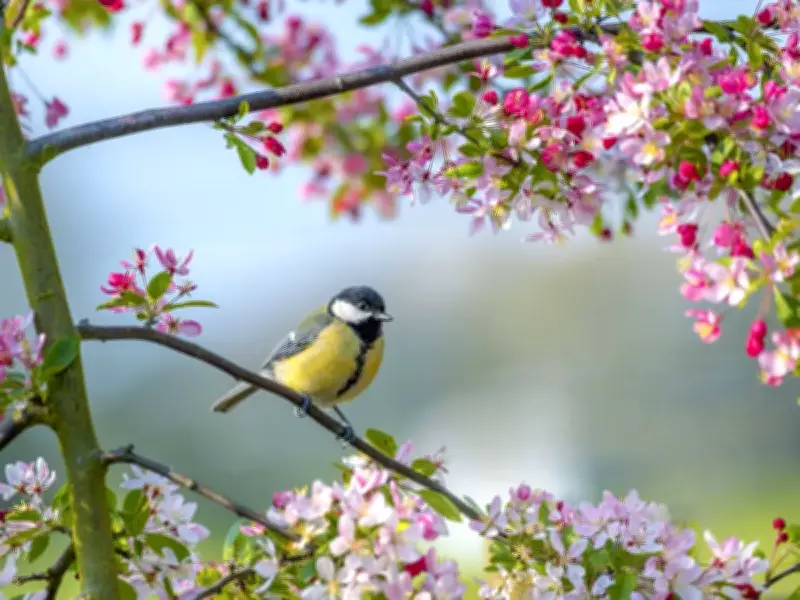
The Royal Society for the Protection of Birds (RSPB) has issued updated guidance on protecting garden birds from highly infectious diseases, as recent research shows alarming declines in some of the UK's most cherished species. The advice focuses on two simple shifts in how birds are fed: feed seasonally and feed safely.
Rising threat of trichomonosis
The RSPB highlights that trichomonosis, caused by the microscopic parasite Trichomonas gallinae, is spreading rapidly and significantly impacting garden birds, particularly greenfinches, chaffinches, and potentially bullfinches. The UK's greenfinch population has declined by over 65% in the past 30 years.
Bird feeders and areas where birds congregate in large numbers are prime locations for transmission. Scientific evidence indicates that summer and autumn pose the greatest risk of outbreaks.
Feed seasonally
The RSPB now advises a break from feeding seeds and peanuts between May 1 and October 31. During this period, natural foods like seeds and insects are abundant, so supplementary feeding is less necessary. However, small amounts of mealworms, fatballs, or suet can still be offered, as these protein-rich foods improve chick survival rates. Finches are less attracted to suet and fat, reducing the risk of disease spread.
The guidance states: "During summer and autumn, there's a higher risk of disease spreading. But it's also when there are more natural foods available to birds, such as seeds and insects. You can continue to offer small amounts of mealworms, fatballs or suet. During spring and summer, dried mealworms can be soaked in water to make them easier for nestlings to eat."
Between November 1 and April 30, the full range of bird foods, including peanuts and seeds, can be offered again.
Feed safely
Feeding safely is crucial. The RSPB recommends feeding only small amounts, avoiding feeders with flat surfaces, keeping feeders clean, and providing water only if it can be changed daily. Damp food enables disease to spread, so feeders should reduce condensation and keep food dry.
The RSPB advises: "Don't use bird feeders with flat surfaces, such as bird tables, window feeders and feeders with trays. Research has confirmed that there's a higher risk of disease spreading on flat surfaces, where contaminated food can collect."
Cleaning feeders and water baths at least once a week is essential. The RSPB suggests: "Clean with hot soapy water and disinfect with a non-toxic disinfectant or a mild (5%) bleach solution. Be sure to also clean away any old food or droppings from beneath feeders."
Feeding small amounts that are eaten quickly prevents leftover food from attracting rodents and reduces disease risk. The RSPB also recommends moving feeders weekly to avoid contaminated debris build-up, placing feeders in different areas to reduce bird mixing, and avoiding spots under roosts to prevent droppings contamination.
Additionally, the RSPB encourages planting bird-friendly plants like sunflowers, teasels, and ivy to provide natural food sources. By implementing these simple measures, collectively we can help safeguard the UK's bird population and protect their future.




