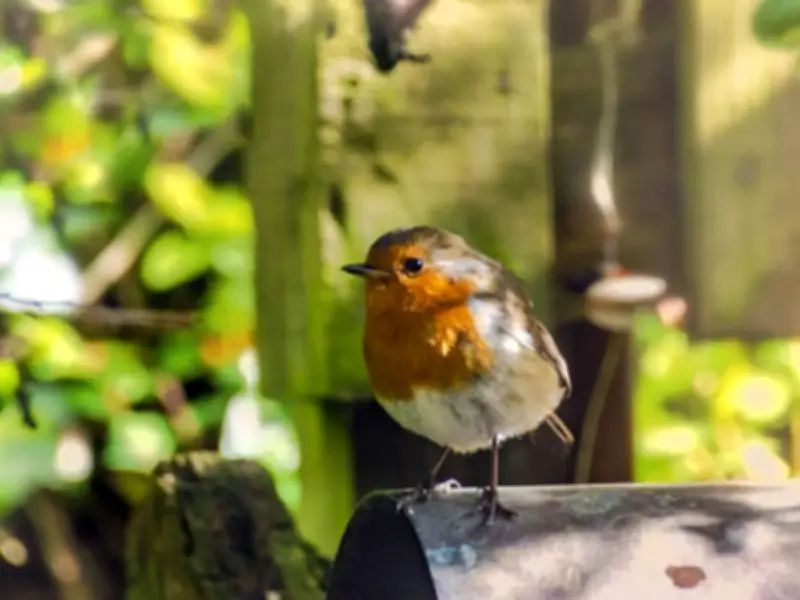
Robins will keep coming back to your garden if one type of food is laid out for them: fruit. Unlike many other birds, robins do not migrate south when temperatures drop, leaving them at the mercy of the British winter. With safe, warm habitats becoming increasingly scarce across the UK during the colder months, providing food helps these treasured creatures survive.
Which fruits attract robins
Bruised or soft fruit such as apples and pears is food you should put out for garden birds, according to the RSPB. Bird feeding specialists Birdify support this guidance and suggest putting out soft fruits such as apple slices, berries including blueberries and strawberries, or soaked raisins to entice robins into gardens. They also note that autumn and winter are the ideal seasons to provide these fruits for this species.
Ark Wildlife explains why feeding robins is so straightforward: "They are omnivores so will eat a wide range of food, giving you plenty of options when it comes to feeding them. Robins can lose up to 10% of their body weight just staying warm on a single winter's night, so making sure its fat reserves are sufficiently topped up really can save a robin's life."

Natural fruits and feeding tips
When it comes to natural fruits that grow outdoors, several varieties that robins adore can be cultivated in gardens. The bird food specialists share: "Robins enjoy eating various small fruits that they find on garden trees and bushes. Berries such as sloes, hawthorn and holly are particular favourites of robins - along with other tree fruits including cherries and grapes from vines."
Leaving food outdoors for robins is straightforward, as they are remarkably unfussy. Food can be placed on the ground, a flat tray or small dish, or on a low bird table positioned near shrubs or trees. This allows robins to retreat swiftly if they detect danger, making the food an even more appealing offering when it guarantees their safety. Ground-level bird feeders and height-adjustable feeders work brilliantly, provided they are positioned at a secure distance from cats and other potential predators.
What to avoid and safety guidance
RSPB guidance advises against offering robins any salted foods, cooked meals, loose peanuts, dry or hard items, and bread. Milk is strictly forbidden according to the Woodland Trust, as it can cause serious illness in these birds. When offering unsalted peanuts, ensure they are aflatoxin-free and sourced from a trustworthy supplier, as inferior quality peanuts may harbour the aflatoxin fungus, which proves fatal to birds upon consumption.
Current RSPB guidance advises: "Between beginning of May and end of October, pause filling your bird feeders with seeds and peanuts. There's an increased risk of the disease spreading in the summer and autumn months." The RSPB further recommends cleaning and relocating bird feeders on a weekly basis, and refreshing the water in water baths daily, to prevent the swift transmission of disease.