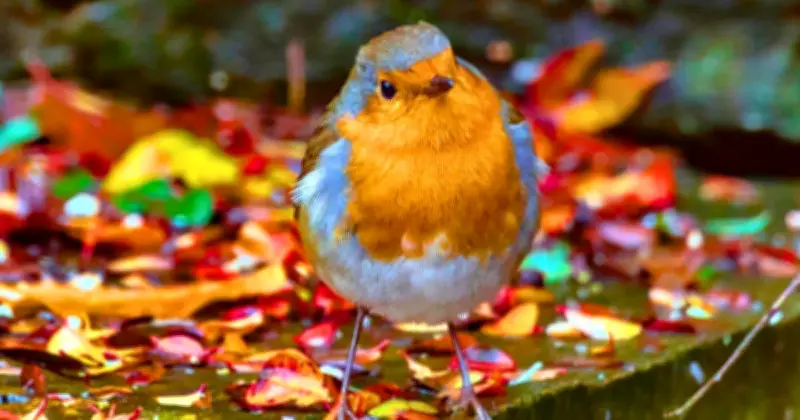
Gardeners are being urged to reposition bird feeders this autumn to help robins survive the colder months, as these birds struggle to adapt when the season changes. Robins have a high mortality rate, with most living only one to two years, because their natural food sources become scarce as temperatures drop.
Why robins struggle in autumn
When the weather turns cold, soil hardens and insects burrow deeper into the ground, while most berries have already ripened and been eaten by other wildlife. Feeding robins now can greatly improve their chances of staying alive, but many people make the mistake of placing food in the wrong spot.
An expert from Beaky Bites has shared that the best way to help robins is to stop placing bird feeders in open areas, as they prefer to eat in more hidden parts of a garden.
Where to put a robin bird feeder
The expert said: “Robins thrive in gardens with natural cover and quiet spaces. Dense shrubs, small trees, log piles and tangled corners offer protection from predators and harsh weather. Keeping these areas intact throughout winter gives robins safe routes between feeding zones and the nesting box.”
Robins are small and easily pushed around by other garden birds, so they often avoid busy feeders left on lawns or patios where competition is too high. Most birds will happily feed anywhere, but robins prefer places with lots of vegetation where they can hide.
To encourage robins to eat from a feeder, it is best to place it near hedges, shrubs or under cover such as a tree. This keeps them away from other birds and protects them from wind or heavy rain, making them more likely to shelter in your garden.
Keeping robins safe from predators
However, gardeners should be careful, as cats are known to hide and ambush birds. Keep a feeder about one to two meters away from any vegetation, giving robins somewhere to retreat if startled but far enough that a cat cannot hide without being spotted.
Robins like areas with cover, but feeders should be kept away from walls, fences or low areas where a cat could lurk. The best place for a feeder is somewhere relatively quiet but with a clear view, so robins can spot any cats, large birds or other predators approaching.
If robins know they have a safe place to eat, they are more likely to visit your garden, giving you a better chance of seeing these red-breasted birds flying around this autumn.