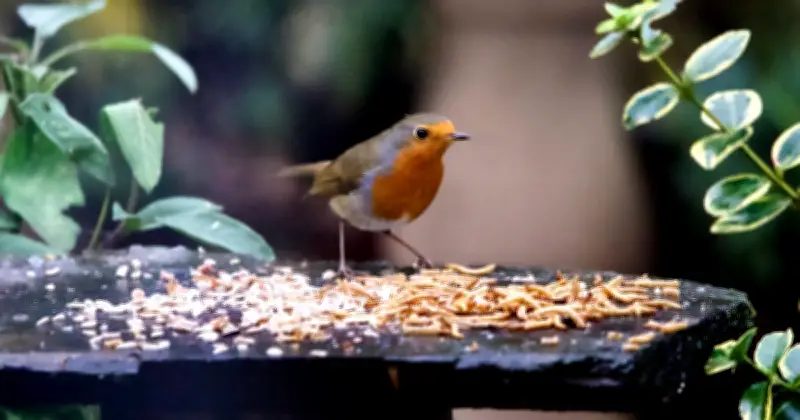
Robins may be known as a winter favourite, but they live in UK gardens all year round, and summer can be a surprisingly tough time for them. Earthworms are robins' main food source, but during hot, dry weather, the worms burrow deeper into the soil, making them hard for robins to find. Putting out food for robins can make a real difference to their survival, but where you place the feeder matters just as much as what you put in it.
Expert advice on feeder placement
James Martin, an expert from the Woodland Trust, says attracting robins to your garden is easier than you might think — as long as you keep the feeder away from plants. He said: "Robins, and other birds, are more likely to spend time in your garden if they feel safe from predators like cats. Ideally, bird feeders should be positioned around two metres away from dense vegetation."
"This will reduce the chance of a surprise attack by cats, and means birds can still easily retreat to cover if needed."

Why plants can be a problem
Bushes, trees and flowerbeds are all ideal hiding spots for cats, and most birds will not feel safe if a feeder is too close to the ground or near any foliage. Placing a feeder next to plants can also harm your garden, as bird droppings can land on nearby flowerbeds or crops, raising the risk of bacteria and disease spreading to your plants.
Try to place your feeder somewhere shaded to keep birds cool, but make sure it is well away from plants, fences and sheds so cats cannot reach it. It also helps to position the feeder somewhere you can see it from inside your home, so you can keep an eye on when it needs topping up — and enjoy watching the robins feed.
Food that brings robins flocking
Once you have found the right spot, fill the feeder with fat balls, which give robins a welcome energy boost when food has been scarce. Robins also eat fruits, sunflower seeds and crushed peanuts, but mealworms are a firm favourite and are likely to bring them flocking to your garden.
Giving robins a reliable food source now will help them stay healthy going into the colder months, and your garden could become a regular stop for these much-loved birds.