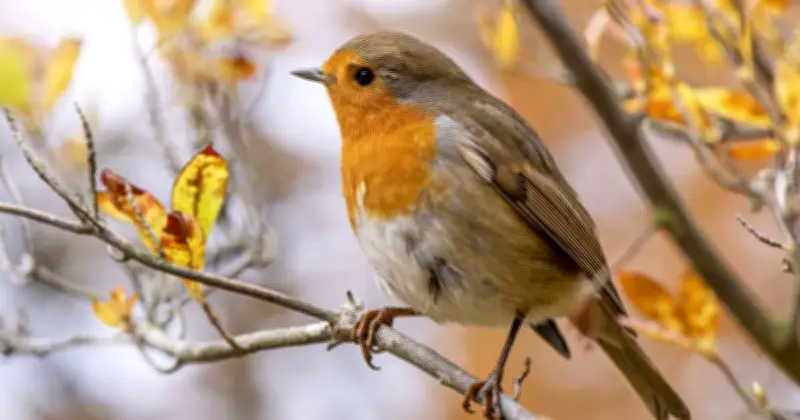
Robins and wrens will thrive in gardens this autumn if one type of food is left out for them: grated cheese. During the autumn season, households are urged to put out food and water for garden birds on a regular basis, as this helps them build up fat stores to keep warm as temperatures turn colder.
Neither robins nor wrens migrate from the UK during the winter, so having access to a regular source of food is of utmost importance, as it can be harder for the small birds to find at this time of the year. Their usual snacks of live insects and worms may be harder to access due to unsettled weather, or could even be frozen in the winter, so it's vital that households help them get sustenance where they can.
Why grated cheese is recommended
Both robins and wrens are primarily ground feeders, so leaving food out on ground feeding trays or bird tables is ideal, as it provides an easy access spot for them to sit and eat. One type of food that wildlife experts recommend offering these small birds in autumn is grated cheese, as it's both a source of protein and has a high fat content, which is especially good for birds during cold weather.
Grated cheese is particularly enjoyed by robins and wrens, so these birds will thrive from the protein-rich food at this time of the year.
Expert advice on feeding
The Royal Society for the Protection of Birds (RSPB) said: "A bird's gut is not designed to digest milk, which can cause a serious stomach upset or even death. Birds can, however, digest fermented dairy products such as cheese, which attract robins, wrens and dunnocks."
It's recommended that gardeners offer mild, grated cheddar or other hard cheese, whereas soft cheeses like brie and blue aren't suitable.
Bird food specialists at Peckamix said: "Kitchen scraps should be fed carefully alongside good quality seeds, suitable foods include unsalted fats and meats, small amounts of occasional bread, mild grated cheese, cooked potatoes, and pastry made with real fats."
"Food scraps can be fed on the ground, on a bird table, or hung in a suet block feeder. Mild grated cheese is a favourite of Robins, Dunnocks, Blackbirds, Thrushes, and Wrens."
Precautions for bird feeding
Gardeners are also urged to be mindful not to overfeed birds, as an excess of food can attract other wildlife, such as rats, squirrels and pigeons, which can make it harder for smaller birds to get to the food.
Food should also be removed from bird tables if it gets wet, as damp food is susceptible to mould and bacteria which can cause birds to fall ill. As such, using a covered bird table is a safer option, as food is kept dry and smaller birds, like robins and wrens, are better protected from predators.
In its online advice, Really Wild Bird Food explains: "If a lot of food is being left in feeders then make sure you're removing it and reducing the food you put out. It's always best to minimise the amount of food left in and around feeders so as not to attract predators, vermin and disease."