Bird specialists recommend leaving one simple item out for garden birds, including robins and blackbirds, to keep them coming back. The early autumn is a fantastic month for spotting garden birds, with a diverse range of species making an appearance.
While many might presume that birds need our help most during the colder winter months, experts insist that they are equally in need of our support throughout the summer to rear their chicks and keep their own energy levels up.
Why birds need our help
Birds truly need every bit of assistance we can provide. The RHS states that the UK's birds "are in trouble, and they need our help". A 2023 State of Nature report revealed that 43% of all UK bird species are at risk of disappearing entirely over the coming decades.
Thankfully, there is plenty you can do to help birds thrive in your garden, which acts as a crucial refuge for them. The bird experts at Peckish, a provider of bird food and accessories, say there is one simple step you can take straight away.
Water is key for garden birds
They said: "Water is the most valuable commodity for birds in summer. Be sure to leave shallow trays of water out for birds, particularly during dry spells. Even better are ponds, which won't need to be topped up as often, and will also provide insects for birds to eat."
They also offer advice on how to make your water source as safe as possible for birds: place it two metres from cover like trees or shrubs so that it is both visible and provides a safe place to retreat; make sure garden birds have plenty of fresh clean water for drinking and bathing; and clean feeding and drinking areas regularly with a mild disinfectant.
Birds to spot and what to feed them
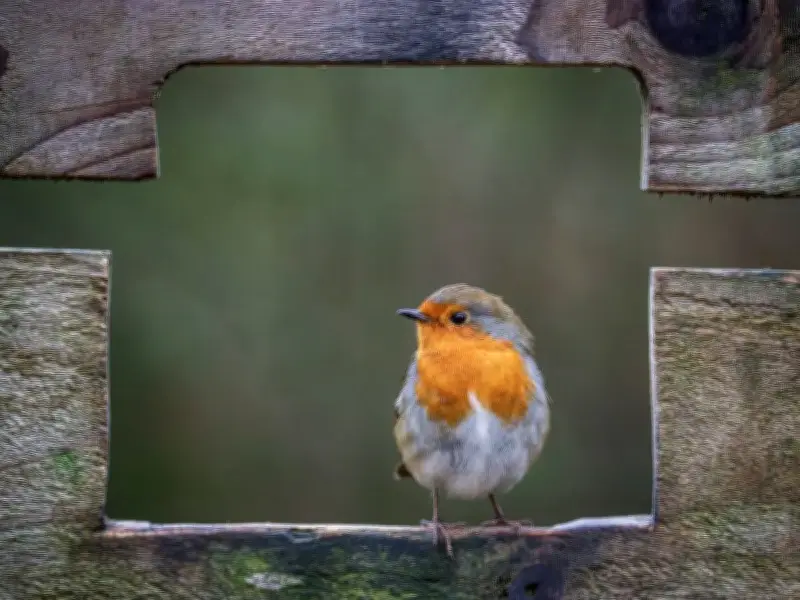
Throughout the month, robins — immediately identifiable by their iconic red breasts — can regularly be seen rummaging for insects and worms. Similarly, blackbirds are a familiar presence in our gardens, scouring lawns and the ground beneath shrubs in search of insects and worms. Other birds frequently spotted include wood pigeons, blue tits and house sparrows.
The experts at Gardeners' World say: "Feeding birds used to be a winter activity, but birds need our help in the summer months too, to ensure they have enough energy to survive leaner times ahead. Just as in winter, high-energy food is the key to summer feeding. Live food is also recommended to supplement the food they can find in the wild."
They recommend foods like sunflower hearts, mealworms, fruit and other leftover foods like cooked pasta and rice and rind from unsalted meat or cooked veg, which are all high in energy. Peanuts are also recommended, though the pack should be checked to make sure the nuts have been tested for aflatoxin, a fungal infection that can be lethal to birds.
The RHS also suggests the following ways to care for birds in your garden in the summer: avoid using pesticides, as insects are a crucial food source for birds; minimise use of mains water, as this has a knock-on effect on wetland habitats; and delay hedge-cutting until late August when nesting season is safely out of the way.