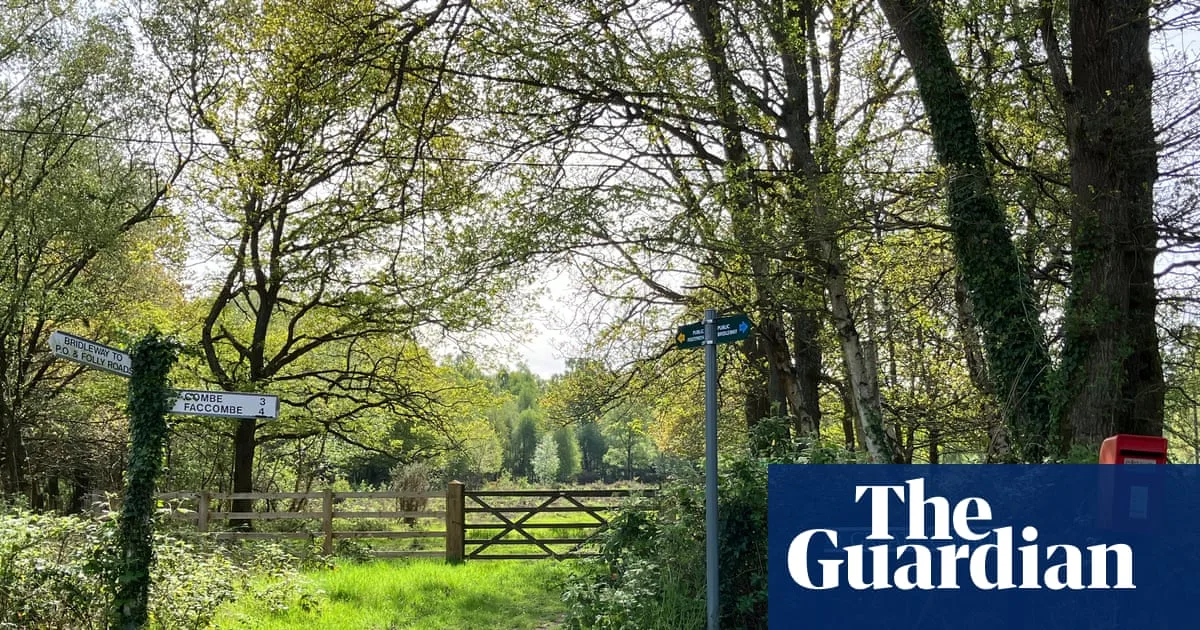
On a chilly spring morning, the bench dedicated to Lillian Watts on Inkpen Common has fallen into disrepair, but her legacy endures. Watts, who died in 1989 aged 93, was a poet, potter, English teacher, naturalist and formidable campaigner. Along with villagers like Arthur Cooke, she saved this heathland from development.
Watts first visited the common on a birthday cycling trip in 1907 to hear its famous nightingales. She later returned in 1935 to live at Crumplehorn Cottage on the edge of the common. By then, many of the Romany families she had met on her first visit had been moved, some into new council houses built on part of the heath. The rest of the common was a Poor's Allotment, used for grazing and gathering gorse bundles for bread ovens.
Watts rented 12 acres of the common, clearing scrub alongside neighbours' geese, pigs and horses. She discovered rare plants including the pale dog violet Viola lactea, petty whin, bog asphodel, lousewort, milkwort and dodder. In 1970, when the common was threatened by development, the village invited the Wildlife Trust to rent it. Watts later left her beloved Crumplehorn to the trust, enabling it to buy the common and secure its protection.
A recording from 1975 captures Watts's measured, soft voice and the sound of a nightingale, now gone from the common. Today, the birdsong is diminished, but still present with willow and garden warblers, blackcaps, chiffchaffs and the first cuckoo. As the author notes, 'If you did not know what Lillian knew, you would think it rich.'