Conservationists are celebrating the return of native red squirrels to parts of Britain, after decades of decline caused by the invasive grey squirrel. A spokesperson for Westmorland Red Squirrels in Cumbria reported sightings in local gardens, suggesting the species is making a comeback in areas where it had become scarce.
The resurgence is part of a wider trend of native wildlife re-colonising the British countryside. Last year, the first wild beavers in England for 500 years were found on the River Otter in Devon, and another population has established itself on the River Tay near Dundee—over four centuries after beavers were hunted to extinction in the British Isles for their fur.
These developments have delighted proponents of rewilding, a conservation movement that aims to restore biodiversity by reintroducing species once native to the land, including predators hunted to extinction in the past. Author George Monbiot described rewilding as “the mass restoration of damaged ecosystems” and “bringing back missing species while rekindling wonder and enchantment.”
Rewilding efforts in continental Europe have seen success, with Eurasian beavers now found in 25 countries and wolves spreading across Germany and France. Paul Lister, heir to the MFI fortune, is advocating for the reintroduction of wolves and bears to his Scottish estate at Alladale. However, his plan to fence the property has alarmed neighbours, who fear snowdrifts could allow predators to escape and threaten livestock.
In the UK, current rewilding projects focus on native tree-planting and smaller mammals. The Knepp Castle estate in West Sussex is planting rare black poplars, while Trees For Life is restoring woodland at Dundreggan in Glen Moriston and experimenting with releasing wild boar. Campaigners believe such reintroductions help control non-native plants and bracken.
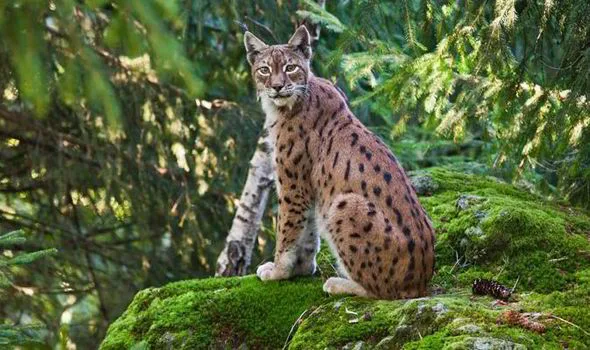
Conservationists hope that lynx, which pose no threat to humans but are expert deer hunters, could be reintroduced within ten years. Alan Watson Featherstone, founder of Trees For Life, noted that Scotland has too many deer for the habitat, and lynx would naturally cull them, allowing a ‘trophic cascade’ of other flora and fauna to return.