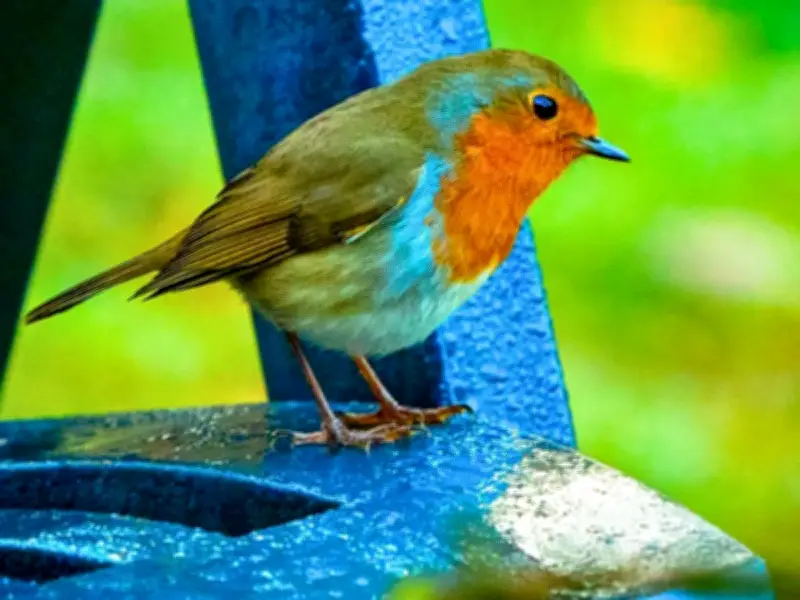
Robins are charming birds that can brighten any garden, but they face serious survival challenges as autumn arrives. With most robins living only one to two years, their natural food sources become scarce once colder weather sets in.
When temperatures drop, soil hardens and insects burrow deeper underground, while berries have often already been eaten by other wildlife. Feeding robins now can significantly boost their chances of survival, but many people place food in the wrong spot.
Where to put a robin birdfeeder
An expert from Beaky Bites said: "Robins thrive in gardens with natural cover and quiet spaces. Dense shrubs, small trees, log piles and tangled corners offer protection from predators and harsh weather. Keeping these areas intact throughout winter gives robins safe routes between feeding zones and the nesting box."
Because robins are relatively small, they are easily displaced by other garden birds. They tend to avoid busy feeders on lawns or patios where competition is too strong. Instead, they favour spots with abundant vegetation where they can tuck themselves away.
Keep feeders away from cats
To attract robins, position a feeder close to hedges, shrubbery or beneath cover such as a tree. This keeps robins separate from other species and protects them from wind or heavy rain, making them more likely to take refuge in your garden.
However, cats are known for ambushing birds, so place the feeder roughly one to two metres away from vegetation. This gives robins somewhere to dart back to if alarmed, yet is far enough that a cat cannot hide unnoticed.
The best location is a reasonably tranquil spot with an unobstructed view, allowing robins to spot cats, larger birds or other predators approaching. If robins recognise a secure place to feed, they are far more likely to visit your garden this autumn.