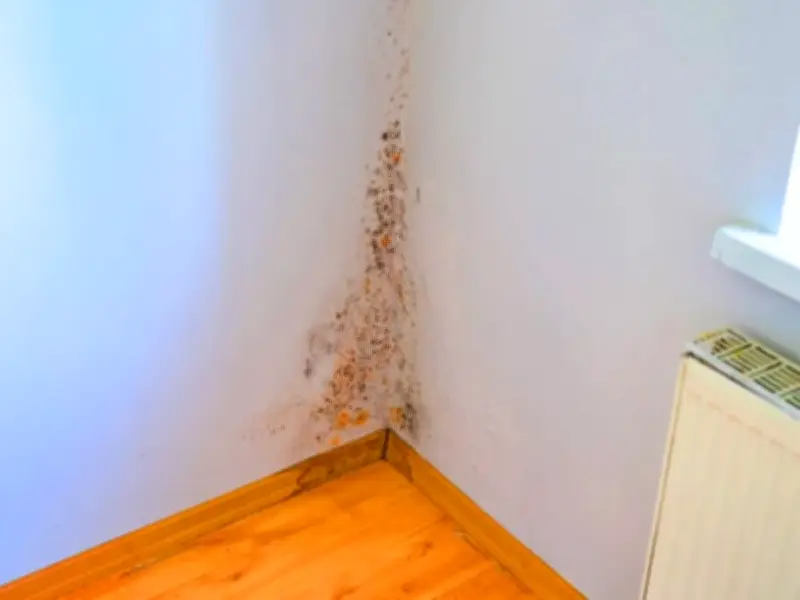
September is when mould typically begins to appear in homes, but choosing the right houseplant can keep it out of bedrooms through autumn without constant scrubbing. As cooler temperatures arrive, the combination of rainfall and warmth creates ideal conditions for mould spores to flourish.
Mould requires dampness to develop and frequently appears in wardrobes or around beds, where humidity accumulates on fabrics and creates significant moisture in the air. Opening a window disperses damp air, but this becomes impractical in autumn as it leaves rooms feeling cold and uncomfortable.
Plants as natural dehumidifiers
Grace DiDomenico from Soltech explained that when indoor relative humidity exceeds 60%, a home becomes an ideal breeding ground for mould and mildew. While air purifiers are helpful, certain houseplants act as natural dehumidifiers, reducing airborne moisture and limiting the conditions mould needs to thrive.

Many houseplant varieties originate from rainforest environments, where they thrive on forest floors beneath dense canopies, receiving little rainfall and drawing moisture directly from the atmosphere. Some houseplants actively reduce humidity levels in their immediate surroundings, making rooms far less hospitable for mould growth.
Best plants for bedrooms
The peace lily is among the most effective anti-mould plants, recognised for its white blooms and large foliage. These moisture-loving specimens are popular in bathrooms and require watering just once or twice monthly when the soil becomes dry. However, peace lilies struggle in exceptionally dry spots, so they should be kept away from dry windows and radiators.
Ivy is also an excellent bedroom choice, as it eliminates excess humidity and captures airborne particles, improving air quality. This cascading variety suits bookshelves or windowsills, though it can spread rapidly and requires regular pruning. Snake plants, with their tall, pointed foliage, are resilient mould-busters that thrive even with minimal light and watering.
Low-maintenance option
For those new to indoor gardening, snake plants are typically the go-to choice thanks to their robust nature. They emit oxygen at night, enhancing air quality while you sleep, making them particularly well-suited for bedrooms.
The right houseplant offers an effortless way to maintain a dry, mould-resistant bedroom throughout the chillier months while adding natural greenery to the space this autumn.