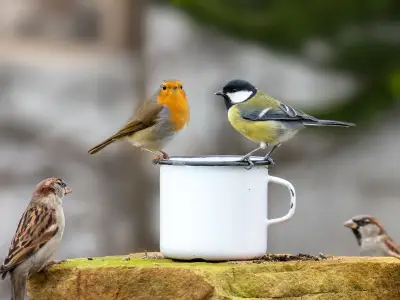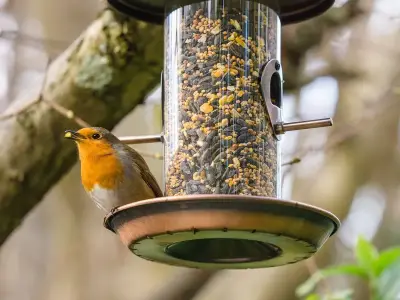
Robins, one of Britain's most beloved birds, face a serious threat from cold weather this winter, and gardeners can help by following Monty Don's advice on feeding them. The UK robin population has risen by 45 per cent since the 1970s, yet these small red-breasted birds still struggle during freezing nights, when they can shed up to 10 per cent of their body weight just to stay warm.
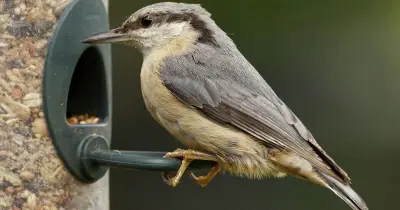
If robins cannot quickly restore these fat reserves, it can prove deadly, making feeding them more vital than ever. Leftovers placed on bird tables provide a crucial lifeline during the colder months, and robins will also gather any morsels that drop to the ground from hanging fat balls.
Monty Don's feeding advice for winter birds
In his blog, Monty Don offers essential guidance for gardeners on robin care. He writes: "I buy dried mealworms too which robins, tits and wrens gobble up greedily. If in doubt sunflower seeds and fat-balls - preferably hanging so tits can land on them without being bullied away by more aggressive birds - are invariably popular."
Don also urges gardeners to keep an eye out for other birds as temperatures drop. He said: "As the weather changes the birds greedily feed off any seeds and berries in the garden but they soon get taken so supplementing this natural supply both helps them and provides a fascinating chance to share and observe their world."
Best foods and how to protect smaller birds
Don recommends providing high-calorie foods, noting: "Obviously it helps for the food to be as calorific as possible and seeds, nuts and fat are best of all. Left-over pastry, bread and rice always get eaten fast and fruit is good, especially for blackbirds and thrushes."
He adds that grated cheese is popular, as are cooked (but not raw) potatoes, while salty items such as crisps, salted peanuts or bacon should be avoided. To prevent pigeons and starlings from taking all the food, Don suggests: "Another way of making sure that all the food does not get gobbled up by pigeons and starlings is to find an old log with lots of cracks and crevices and pour seed over it. The smaller birds will extract every last bit from the fissures that bigger ones cannot reach."
Consistency and water are essential
Don cautions that once gardeners begin feeding local birds, they must commit to doing so consistently. He explained: "The birds use up precious energy in coming to your bird table which is then wasted if it is bare. Also always be sure that there is a fresh supply of water for them to drink, especially in freezing weather."