Thousands of UK Primates at Risk as New Licensing Deadline Approaches
Monkey owners across the United Kingdom are expressing grave concerns that their beloved pets could be seized and potentially euthanised under new government regulations set to take effect in early April. The legislation, which mandates that all private primate keepers obtain a licence, has created widespread anxiety within the exotic pet community.
Strict Zoo-Level Standards Required
Under the incoming rules, which come into force on April 6th, owners must demonstrate their ability to house primates according to what the government describes as "zoo-level standards." This includes specific requirements regarding enclosure sizes, environmental enrichment, and overall welfare provisions that many private keepers argue are excessively demanding.
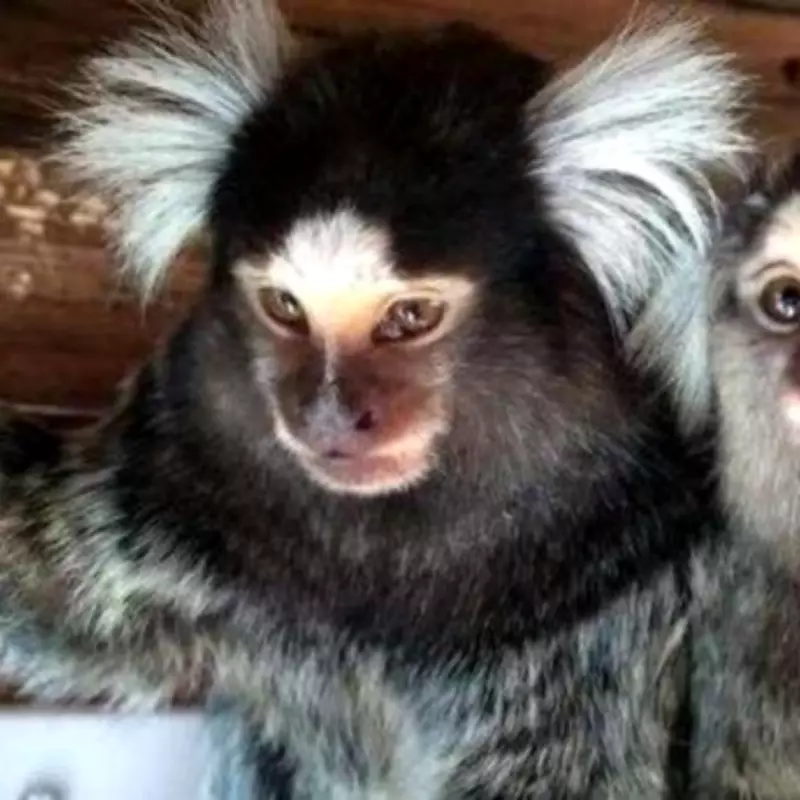
Lisa-Marie Bearman, a clinical hypnotherapist from Rochester who has kept marmosets for over a decade with her partner Matt French, represents the concerns of many primate owners. "While I welcome the principle of licensing," she explains, "some of the new criteria simply aren't achievable for private keepers who are already doing everything possible to provide excellent care."

Rescue Capacity Crisis
The couple, who operate Marmosetdiets—an online feed business for exotic animals—and design custom enclosures, highlight a critical issue: the lack of available space in zoos and rescue centres. "If monkeys are seized because owners can't meet the new standards, there's literally nowhere for them to go," Bearman states. "Centres are already at capacity, which means euthanasia becomes a real possibility."
This concern is amplified by the government's own estimate that approximately 5,000 primates are currently kept as pets throughout the UK. With the licensing deadline rapidly approaching, Bearman reports receiving numerous contacts from worried owners who fear they won't qualify for the necessary permits.
Licensing Applications Remain Extremely Low
Data obtained through Freedom of Information requests by international wildlife charity Born Free reveals a startling statistic: only three applications for the new primate licences have been submitted across the entire country over the past year. This suggests that either awareness remains low or the requirements are perceived as insurmountable by most owners.
Chris Lewis, Born Free's captivity research and policy manager, acknowledges the regulations represent progress but argues they fall short of what's needed. "Primates are complex, intelligent animals whose needs cannot be properly met in a domestic setting," he asserts. "While not the complete ban experts advocated for, these rules must be implemented rigorously to ensure every primate receives appropriate care."
Government Defends Welfare Standards
Animal Welfare Minister Lord Douglas-Miller has defended the new measures, stating: "We are proud to have some of the highest animal welfare standards in the world. These restrictions will help address inadequate conditions that some of these inquisitive creatures endure. Those failing to meet zoo-equivalent standards face fines and potential removal of their primates."
Despite this official stance, owners like Bearman and French remain apprehensive. They describe their nine marmosets as family members and express determination to do whatever necessary to keep them. "The possibility of having them taken is devastating," Bearman says. "It would be traumatic for both owners and animals. I'm advising people not to panic yet, but the situation is deeply worrying."
As the April implementation date draws nearer, the debate continues between animal welfare advocates pushing for stricter protections and private keepers who believe their well-cared-for pets are being unfairly targeted by impractical regulations.