Alligators, crocodiles, and vipers are among the dangerous wild animals being kept across Scotland, with a new map showing the areas they call home. Councils have issued licences for more than 130 exotic animals, including rattlesnakes, wild boar, ostriches, and camels.
Interactive map reveals locations
Animal charity Born Free has released an interactive map showing where these exotic creatures are housed across the UK, as well as new applications to bring more dangerous animals into the country. Dumfries and Galloway has the highest number of exotic animals in Scotland, with 46. Aberdeenshire, Aberdeen City, Angus, East Ayrshire, Fife, Perth and Kinross, and Moray also host dangerous creatures.
Around 10 more dangerous animals now live in Scotland compared to last year. An investigation by the Record found at least 120 creatures housed under exotic animal licences.
Castle Douglas leads in numbers
Castle Douglas has the most dangerous animals, with 40 wild boar kept in an enclosure surrounded by a high fence with stout wire and an electrical fence. Six camels are kept on private land elsewhere in the region, and Dumfries and Galloway Council is considering an application for a lynx.
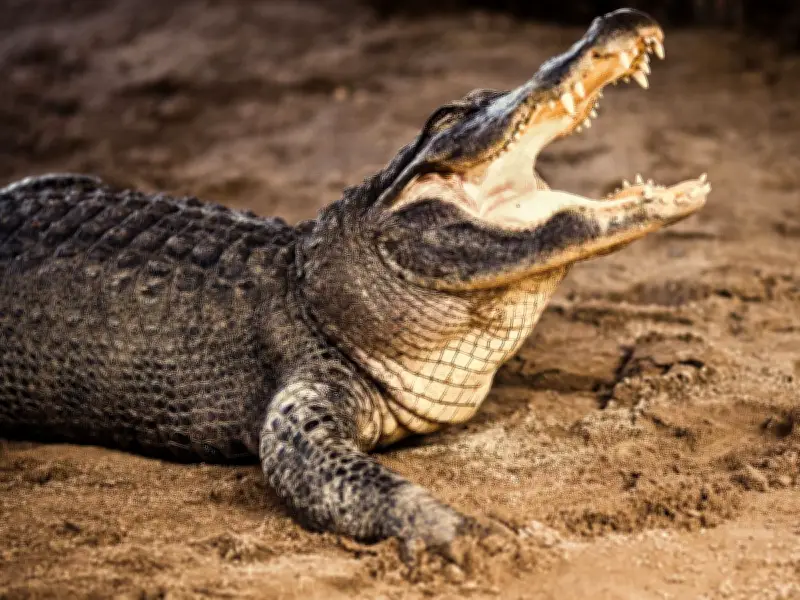
A single owner holds a licence for around 20 exotic pets in the hamlet of Noranside, near Forfar and Brechin in Angus. The collector is believed to have six dwarf crocodiles, two dwarf caimans, two American alligators, one Gila Monster, four highly venomous gaboon vipers, a rhino viper, and two eastern diamondback rattlesnakes. Angus Council is also considering an application for two Nile crocodiles.
Other regions host diverse species
Perth and Kinross is home to three bison, four Mongolian horses (Przewalski’s Horses), and 30 mouflon sheep. Moray Council, which had no active licences in 2025, now has four serval and at least nine savannah cats. In East Ayrshire, six wild boar reside in Newmilns, kept in an electric fenced pen with weekly inspections.
In Banff, Aberdeenshire, nine ostriches are kept on one property, housed in open wooden sheds with straw and continual access to pasture. One unspecified venomous reptile lives in Aberdeen, enclosed in a secure, custom-made vivarium. Fife Council has one dangerous wild animal: a savannah cat kept in a secure enclosure with a security system in Thornton.
Calls for law reform
Chris Lewis, captivity research and policy manager at Born Free, said: “The Dangerous Wild Animals Act 1976 was intended to make the keeping of wild animals categorised as ‘dangerous’ a wholly exceptional circumstance. Yet 50 years on we find ourselves in a situation where nearly ten times more venomous snakes are kept in British homes than British zoos, servals continue to be unnecessarily and cruelly crossbred with domestic cats to produce ‘fashionable’ hybrids and primates continue to be confined despite the government acknowledging they are unsuited to being kept as pets. These animals are still wild, still dangerous yet still legal to keep. The government must urgently review and reform the laws governing the trade in and keeping of wild animals as pets.”
Scots telly star and Born Free patron Kirsty Gallacher added: “It is staggering and deeply troubling that in 2026, dangerous wild animals are still being legally kept behind closed doors in Britain. Big cats, crocodiles, venomous snakes and primates are not pets, they are wild creatures that suffer greatly in captivity. Keeping them in private hands puts both people and the animals at risk. This should not be normal, and it should not still be legal.”