
Gardeners across the UK are being urged to stop throwing away fruit scraps and instead leave watermelon rinds in their gardens to support rapidly declining butterfly populations. According to nature experts Shannon and Anthony Trimboli, founders of Backyard Ecology, this simple act can make a significant difference for local biodiversity.
Butterfly Numbers in Crisis
Butterfly populations in the UK have been steadily declining, with 2024 recorded as one of the worst years in British history. These insects are vital pollinators; without them, many flowers will fail to produce seeds and certain crops will yield less food. While planting wildflowers is a common strategy, many butterfly species do not rely solely on flowers and require additional food sources to lay eggs.
Why Watermelon Rinds Work
Watermelon rinds contain high levels of juice and fermenting sugars, which act as a makeshift nectar source for butterflies. The Trimbolis said: “Try putting overripe fruit that you didn’t eat in time, watermelon rinds, or similar items in a sunny spot. I’m always amazed at how many different species of butterflies will come to the overripe fruit or melon rinds.” They added that fruit offerings attract species that typically do not visit flowers, broadening the range of butterflies in a garden.
Butterflies also engage in “puddling” during summer, a behaviour where they sit in wet locations to extract salt, minerals, and other nutrients. A watermelon rind provides both a food source and a convenient resting place, making it more likely to attract butterflies and boost local populations.
How to Set Up a Butterfly Feeding Station
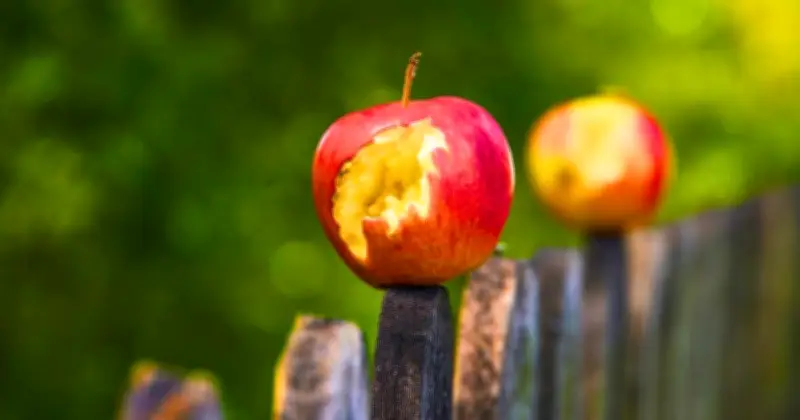
To help butterflies, place a small amount of ripening fruit or leftovers—such as watermelon rinds, overripe bananas, oranges, peaches, mangos, or pears—on a plate in a sunny, open spot near flowers or shrubs. It is recommended to elevate the plate on a fence or tree rather than placing it on the ground, to reduce access for pests. Only put fruit out during the day, as rodents are more likely to search for food at night. Alternatively, use a raised feeder or shallow dish off the ground to discourage pests while encouraging butterflies.
Additional Tips for Gardeners
Gardeners should note that leaving food outdoors can attract rodents, but daytime placement minimises this risk. The Trimbolis emphasise that providing overripe fruit can attract a whole different suite of butterflies than those typically seen visiting flowers. This simple practice, combined with planting wildflowers, can help reverse the decline of butterfly populations and support a thriving garden ecosystem.




