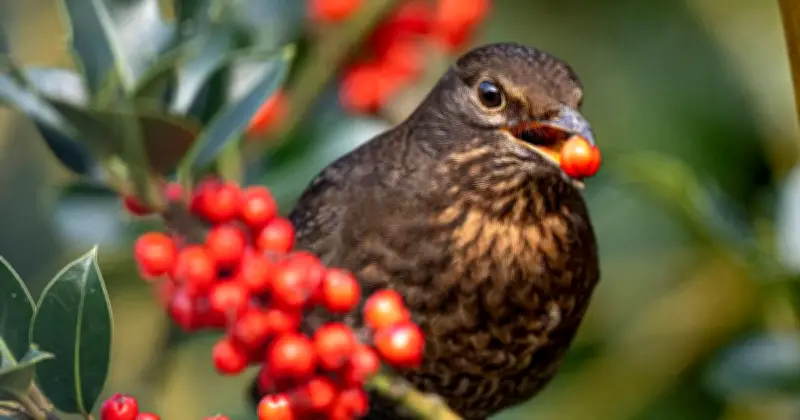
Blackbirds are among the species expected to become increasingly conspicuous in British gardens over the next month. While present during September, sightings become more frequent in October as greater quantities of fruit become accessible.
Why blackbirds appear more often in autumn
September typically represents a quieter period for avian activity in British gardens, but October marks an upturn. The onset of autumn signals summer's conclusion, and as foliage transforms, the RSPB characterises October as an excellent month for observing numerous common garden species. The coming month proves crucial for migratory patterns, affecting various types of birds.
The RSPB notes that Britain's population swells considerably during autumn as substantial numbers from northern Europe arrive to join resident birds, spending the comparatively wilder winter months domestically.
The best food to offer blackbirds
There exists one particular food category that homeowners can provide in their gardens to ensure blackbirds return regularly. The RSPB states that blackbirds consume most fruits, alongside suet pellets and mealworms. The website Home and Roast elaborates on blackbirds' dietary preferences, identifying pears as an especially favoured choice for the species.
It states: "There are so many things in our kitchens that blackbirds love. Ours get a few raisins soaked in warm water twice a day, and they will also eat all the cut-up pears we give them."
The wildlife enthusiasts additionally suggested uncooked porridge oats, grated cheese and various other popular foodstuffs, including apples, grapes and bananas. Blackbirds possess short legs and favour searching for food on grass or low ground-feeding trays instead of suspended feeders.
Feeding advice and seasonal guidance
Their nutritional intake also encompasses insects such as caterpillars and beetles, earthworms, spiders and snails. The Woodland Trust states: "Insects and over invertebrates dominate the diet in spring and summer, while berries and seeds are more important in autumn and winter. When hunting, blackbirds mainly forage on the ground.
"They will ruffle through the undergrowth turning over fallen leaves in search of prey. When looking for worms, blackbirds rely on keen eyesight and hearing. They are able to spot a worm's tail sticking out of the soil and can even hear worms when they move under the surface."
Meanwhile, the RSPB offers particular guidance regarding bird feeding. It recommends birds require high-energy, high-fat nutrition during colder months, noting that seeds and peanuts ought only to be provided between November and April. It states: "Food in feeders should be eaten in one to two days, and suet balls eaten within seven days. When refilling, remove any old food first.
"During the spring and summer months, birds also require high-protein foods, especially when they're moulting. Mealworms are an excellent choice at this time of year in small amounts. Following our recent scientific review, we don't recommend feeding seeds and peanuts between May and November due to the risk of disease transmission."