Gardeners Urged to Leave Leaves Untidy to Save Starving Robins
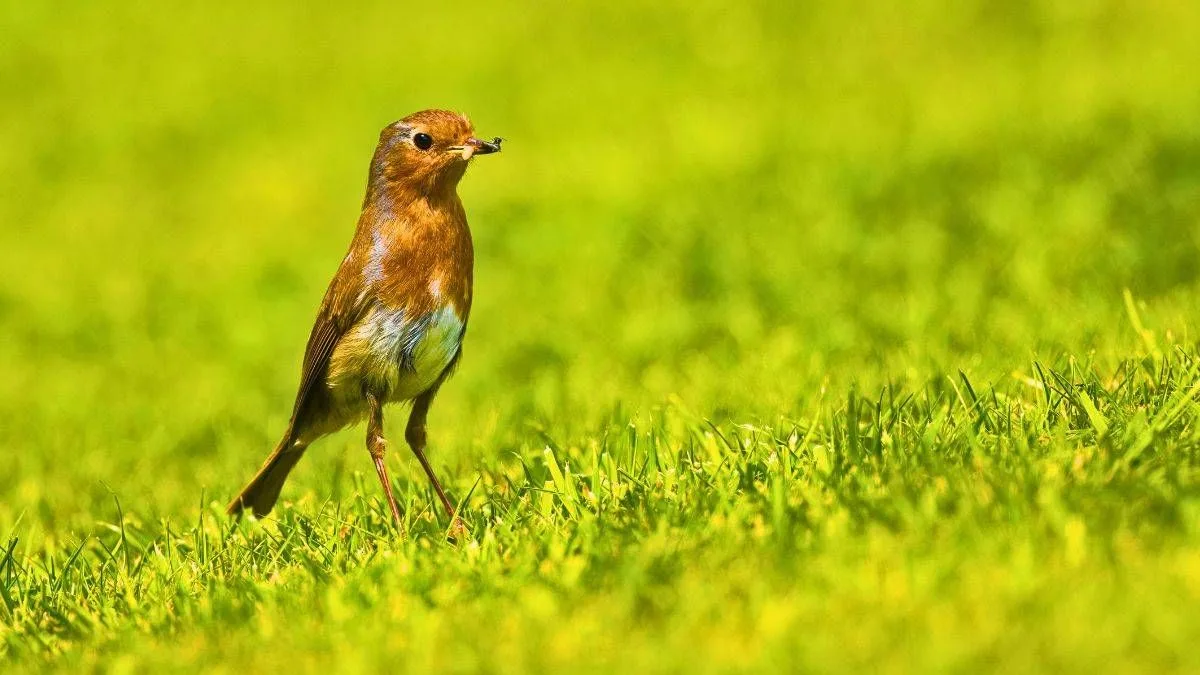
As February's chill persists, robins and other small British birds face a critical threat of starvation, with insects and berries scarce. However, a remarkably simple and natural solution exists that requires minimal effort from gardeners. Wildlife experts are advising people to resist the urge to tidy their gardens, as leaving piles of leaves and sticks on the lawn can significantly boost bird survival rates during these harsh winter conditions.
The Starvation Risk for Winter Birds
Species like robins, blue tits, and wrens are particularly vulnerable in late winter, as their primary food source—insects—becomes extremely limited when the ground remains frozen for extended periods. This scarcity leads to gradual starvation, increasing mortality rates among these beloved garden visitors. The situation is dire, but intervention does not require complex actions or expensive equipment.
Wildlife Trusts experts emphasise: "There are things you can do to help wildlife without moving a muscle." Their advice centres on embracing a more natural, untidy garden approach that directly supports local ecosystems.
How Leaf Piles Create Insect Havens
Leaving a "duvet of leaves" across your lawn provides perfect hiding spots for insects undergoing diapause, a hibernation-like state where they pause their lifecycle until spring. These leaf piles offer crucial protection against the cold, encouraging insects to lay eggs as they emerge from dormancy when temperatures gradually increase in February.
This natural process transforms your garden into an insect-rich environment, creating a readily available food source for foraging birds. As more insects populate your garden, robins and other small birds will find nourishment more easily and are likely to return daily to feed.
Additional Benefits Beyond Bird Feeding
This cost-free method delivers multiple advantages beyond supporting wildlife. Those fallen leaves decompose naturally, pumping extra nutrients—particularly nitrogen—directly into your grass. Nitrogen serves as the key nutrient for lush grass growth, meaning you're more likely to see greener, thicker turf when spring properly arrives.
For gardeners who feel compelled towards tidiness, simply tucking leaves beneath hedges or shrubs can still work wonders for local wildlife. The principle remains: maintaining natural debris supports insect populations that birds desperately need.
Expanding the Natural Buffet
Leaves aren't the only garden element that attracts insects. Any rotting timber, sticks, or ancient branches left undisturbed around your garden will similarly become magnets for insects. By allowing these natural materials to remain, you effectively transform your outdoor space into a bustling bird buffet throughout the winter months.
One crucial warning accompanies this approach: steer clear of pesticides, weed killers, or any harsh chemicals if you're creating a haven for birds, as these substances can cause serious harm to both insects and the birds that feed on them.
The Simple Golden Rule
The ultimate recommendation from wildlife experts is straightforward: leave your garden to its own devices for as long as you can manage. Within weeks, this hands-off approach should reward you with a delightful chorus of cheerful chirping right outside your door, as robins and other birds thrive thanks to your minimal intervention.
This natural conservation method demonstrates how small, effortless changes in garden management can have significant positive impacts on local wildlife survival during challenging seasonal transitions.