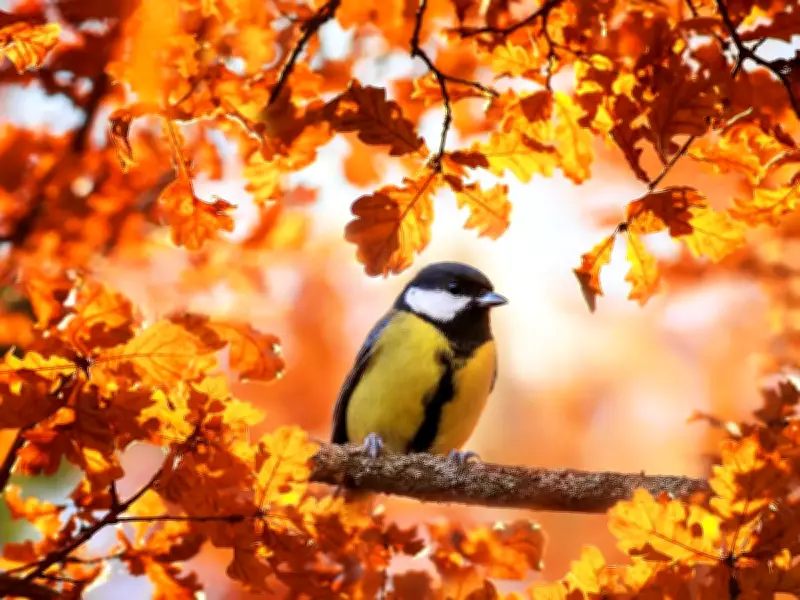
Gardeners can attract a variety of birds to their outdoor spaces throughout autumn by leaving out fruit such as oranges, apples, and blueberries. This simple practice provides feathered visitors with a crucial energy boost when natural food sources become harder to find.
Why Fruit Works for Birds
Fruit offers immense enjoyment for fruit-eating birds and delivers essential energy exactly when it is needed most. During spring migration, birds travel enormous distances covering hundreds and thousands of miles, gaining significant benefits from that extra energy. The winter months are equally important for birds to feast on fruits, as food can be incredibly scarce during the colder season.
Nick Lund, a conservationist, birder, and nature writer, told BirdsandBlooms that fruit "is the best opportunity to get a closer look" at particular bird species, as they will venture down from the treetops into gardens if tempting fruit is left within easy reach.
Best Fruits to Offer
According to the bird expert, fruit-eating birds will happily eat any fruit that humans consume, though certain varieties are more popular than others, with oranges being a firm favourite. Nick recommends: "It's so easy - just slice an orange in half and stick it on the end of a branch, cut side out. For that minimal effort, you've got a great chance of attracting orioles, one of our most beautiful bird families, to your backyard."
Experts at Queenslander Aviaries suggest that orange can be offered in segments or wedges, and leaving some peel attached gives birds something to pull apart. "As with other fruit, it works best as part of a varied diet rather than taking over the bowl."
Simple Feeding Tips
No specialist feeder is required to put fruit out for birds, as placing sliced fruit on a platform feeder works just as well. The bird and plant specialists at BirdsandBlooms note: "Other fruits to try for all fruit-eating birds include apple, blueberry, plum, pear and cantaloupe."
Dried fruits such as raisins and currants are also excellent alternatives to offer as bird food, as they do not spoil anywhere near as quickly as fresh fruit and keep birds pecking away for longer, making them a great choice throughout the year.