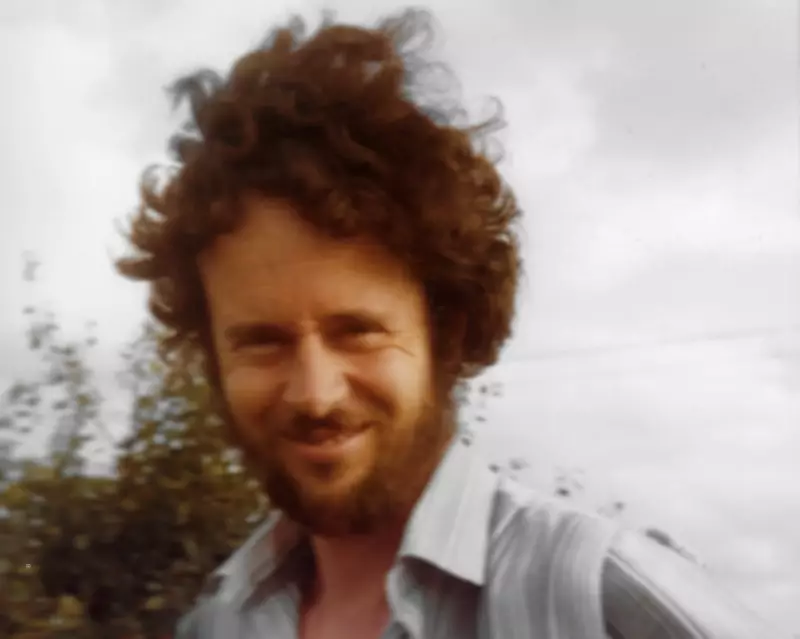
John Barkham, a pioneering ecologist and inspirational educator who dedicated his life to the natural world, has passed away at the age of 82. As the first ecologist to join the University of East Anglia in 1969, he left an indelible mark on the field of environmental sciences through his innovative teaching methods and deep commitment to conservation.
A Trailblazing Career in Ecology and Education
John Barkham's academic journey began with a first-class degree in geography from Birmingham University in 1963, a rare achievement at the time. He later earned a doctorate studying the flora of Cotswolds beechwoods, where he met his future wife, Suzanne Ratcliffe, whom he married in 1967. His early career included a stint at the Brathay field studies centre in the Lake District, honing his skills before his pivotal move to UEA.
At the University of East Anglia, Barkham taught in the School of Environmental Sciences for over three decades, influencing hundreds of students with his unique approach. Inspired by the person-centred theories of Carl Rogers, whom he visited in California, he experimented with radical teaching techniques. In one notable instance, he tasked baffled students with designing their own syllabus and teaching themselves, a method that, while later moderated, underscored his commitment to student autonomy and non-hierarchical learning.

Personal Challenges and Natural Solace
Born in Taunton, Somerset, to Bridget and Evelyn Barkham, John's childhood was marked by the absence of his father, who returned from military service only to divorce and largely withdraw from his sons' lives. Sent to boarding school from the age of nine, he found solace in the natural world, roaming the west country lanes and developing an encyclopaedic knowledge of birds and plants. This early connection to nature became a lifelong passion, helping him navigate periods of depression and personal turmoil, including his father's suicide when John was 20.
Despite these challenges, Barkham thrived academically and professionally. His kindness, distinctive knitwear, and sensitivity to students' wider needs endeared him to colleagues and pupils alike. From 1996, he applied his interpersonal skills to assessing university teaching for the Quality Assurance Agency, ensuring high standards in higher education.
Conservation Leadership and Community Impact
Beyond the classroom, John Barkham was a fervent advocate for wildlife and environmental preservation. As the voluntary chair of the Norfolk Wildlife Trust, he oversaw significant innovations, including updating its name from the outdated Norfolk Naturalists' Trust to better reflect its modern conservation mission. His leadership helped steer the trust towards more effective community engagement and biodiversity protection.
After divorcing Suzanne in 1993 and moving to Ashburton in Devon in 1999, Barkham found new companionship with partner Barbara Rowland. In his later years, he remained active in conservation, serving on the national charity Butterfly Conservation's committee, championing woodland co-operatives, and transforming pasture into productive community allotments. His efforts demonstrated a lifelong dedication to sustainable practices and local environmental stewardship.
Final Years and Legacy
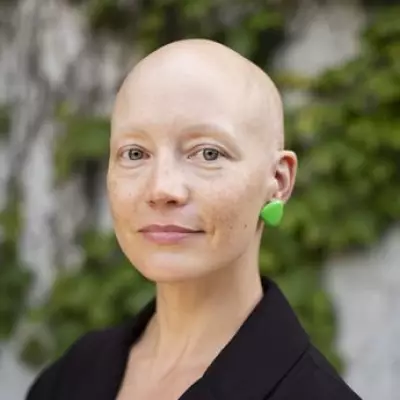
Returning to Norfolk in 2023, John Barkham faced Lewy body dementia and advanced prostate cancer with remarkable positivity. Even on the day of his death, he continued to marvel at the birds and butterflies around him, a testament to his enduring love for nature. He is survived by his partner Barbara, his two children, Henrietta and the author of this obituary, from his marriage to Suzanne, and five grandchildren.
John Barkham's legacy as an ecologist, teacher, and conservationist will resonate for years to come. His innovative spirit, coupled with a deep reverence for the natural world, inspired countless individuals to pursue environmental science and protect our planet's precious ecosystems.