
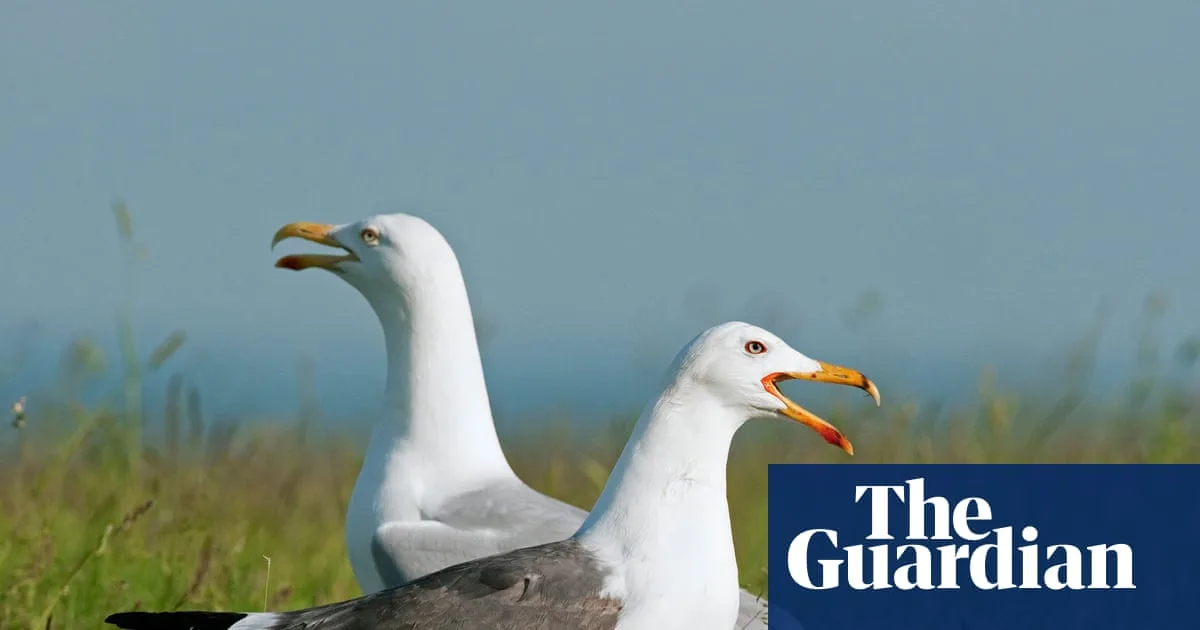
In the quiet market town of Frome, Somerset, gulls have become an unexpected fixture. Thirty miles from the coast, these birds drift up the hill, dominate the church spires and fill the sky, carrying with them the faint whiff of salty air. As summer approaches, they are at their most ubiquitous, vocal and beguiling.
Observers note that the gulls gather in loose flocks, meandering westward each morning with a sense of casual purpose. They lunge at each other as if play fighting, then drift sideways before reluctantly continuing on their course. The reason for this daily drift remains unknown.
At any hour, the birds form great agglomerations overhead, crisscrossing in what resembles an aerial country dance. This spectacle is usually silent, unlike the pairs that fly close together, uttering piteous cries that prompt local residents to urge them to 'sing up'.
Down the valley, herring gulls compete with a cockerel for the dawn chorus, practising territoriality. Last week, they staged a noisy dispute over ascendancy on the ridge tiles and twin spires of Trinity church. One gull, perched in temporary dominance, threw its head back and belted out what sounded like a eulogy to harbours, rockpools and sand-filled sandals. The sound evokes childhood memories of the seaside, even far inland.
The birds here are an assorted collection of first years, second years, non-breeders, failed breeders and apprentices, their age flagged by the grey gradations of plumage. Among them, black-backed gulls flash their thundercloud blue-black upper wings. For now, they remain a mysterious presence, far from the chip-stealing reputation of their coastal cousins.




