
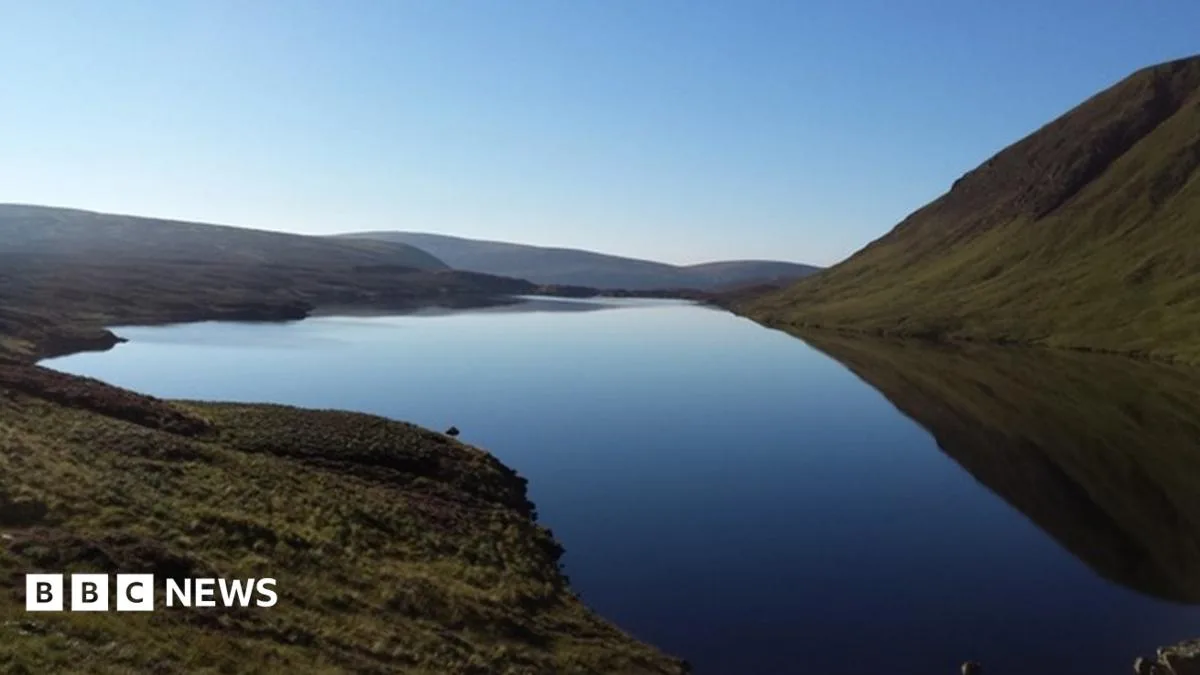
Numbers of vendace, Britain's rarest freshwater fish, are said to be 'significant' in Loch Skeen near Moffat. The fish, which date back to the Ice Age, were introduced to the loch in the 1990s using stock from Cumbria.
At that point, the only stable population was in Derwent Water, and more than 100 lochs were assessed before Loch Skeen was selected. The vendace has only ever been known at four sites: Bassenthwaite Lake and Derwent Water in the Lake District, and the Castle and Mill Lochs in Lochmaben.
The National Trust for Scotland (NTS) has been working with Scottish Natural Heritage (SNH) and experts from the University of Glasgow to establish a thriving population of the fish in Loch Skeen, which sits in the NTS Grey Mare's Tail nature reserve. Monitoring over the summer has revealed that the population has established itself well enough for breeding to take place.
Richard Clarkson, property manager at Grey Mare's Tail, said: 'Vendace are our rarest freshwater fish. They have sadly disappeared from other lochs, mainly due to pollution affecting the water quality but also from the introduction of other fish species that would eat their eggs or the fish themselves. The species was extinct in Scotland before they were introduced to Loch Skeen, so it's great that the trust has been able to help them out.'
Lindsay Mackinlay, the NTS nature conservation adviser, said the loch had been selected as it had all the features the vendace needed to thrive. 'But there is always an element of uncertainty when a project like this reintroduction takes place. With species like vendace, it's not just a simple case of plopping a few fish and eggs into a loch and abracadabra, there they are. You need a team of highly trained and experienced fish ecologists along with the support of key partners, before such a reintroduction will work.'
Prof Colin Bean, a senior adviser on freshwater fish conservation with SNH, added: 'The introduction of vendace to Loch Skeen has been a significant conservation success story. We are delighted to confirm that the population is in good health. This is clearly helped by the sympathetic management which Loch Skeen receives from NTS, and there is nothing to suggest that this population will not continue to thrive there.'




