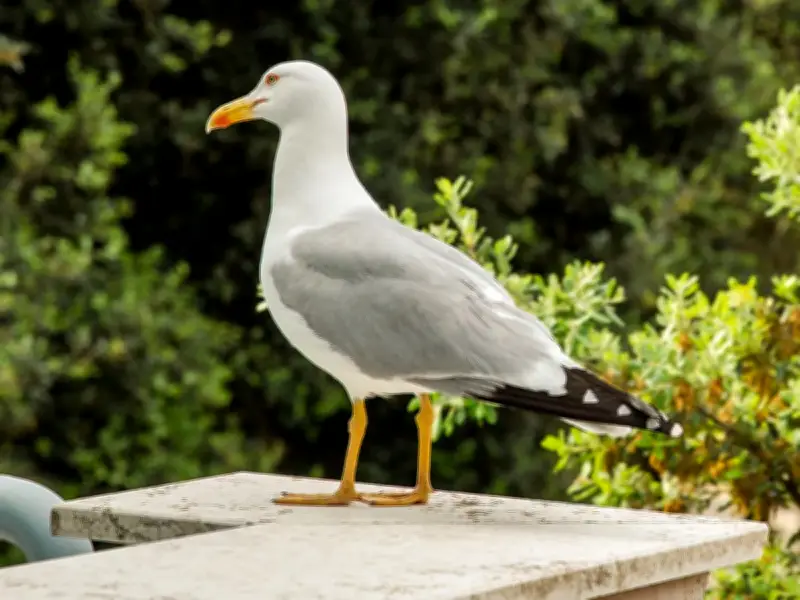
Seagulls may not be the most welcome visitor to your garden, given their reputation. These large birds are notorious for snatching chips out of tourists' hands at the seaside. They may be eyeing up your green space if they spot something edible.
To help homeowners manage these uninvited visitors safely, the RSPCA is issuing guidance on keeping the birds at bay while staying strictly within the law. Dr Rebecca Machin, a wildlife expert with the charity, points out that human spaces are natural magnets for scavenging birds.
Adaptable birds
She said: "Gulls are incredibly adaptable birds and are naturally attracted to places where food is easy to find. While you may not be able to stop gulls flying over your garden, you can make your garden less appealing as a feeding spot."

Before taking action against these persistent birds, property owners must recognise that gulls are protected by UK wildlife legislation. Dr Machin warns: "It's worth remembering that gulls are wild animals simply trying to find food and raise their young. It is an offence to intentionally kill, injure or take wild birds, or to take or destroy their eggs, and there are protections around their nest. Any deterrents should therefore be humane and must not harm or interfere with gulls, their nests, eggs, or young."
How to gull-proof your garden
Gulls can eat a variety of things, from a poorly-guarded box of chips to their more traditional diet of fish, molluscs, invertebrates like earthworms, or discarded food. So removing easy food sources is your best line of defence.
Dr Machin suggests several changes you can make to keep them away:
- Keep household waste securely covered
- Make sure bins have tightly fitting lids
- Clear away food scraps and fallen fruit
- Avoid leaving food out where gulls can access it
- If you feed other garden birds, use suitable feeders and clean up any spilled food
Three of a kind
Although these large white birds are often called 'seagulls', there are actually several species of gull you may see in the UK.
Common gull species include:

- Herring gull - With pale grey wings and pink legs. They have a white head in the summer and dark streaks in winter
- Lesser black-backed gull - They have darker grey wings with black wingtips, and yellow legs
- Great black-backed gull - The largest gull species, they have black wings and pale pink legs