
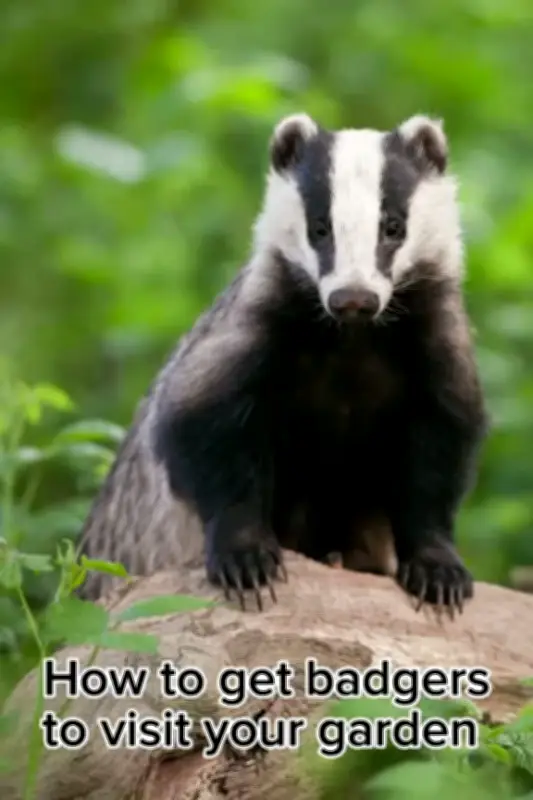
October is a critical time for badgers as they prepare for the colder months. Although they do not truly hibernate, badgers tend to spend considerably more time in their setts when temperatures drop, conserving energy and drawing on food reserves built up throughout autumn.
For those wanting to help these creatures through the colder months, there are steps you can take to make your garden a more welcoming place for them.
Why October Matters for Badgers
According to the Badger Trust, an estimated 50,000 of these nocturnal creatures are killed on UK roads every year. With increasing amounts of land being swallowed up by housing developments and roads, the charity warns that badgers face mounting pressure on their natural habitats.
Thankfully, there are several straightforward ways to make your outdoor space more wildlife-friendly and encourage badgers to visit naturally.
Create a Wildlife-Friendly Garden
One of the finest ways to attract badgers to your garden is to create an environment where they can naturally forage and roam freely, rather than attempting to entice them with food.
Badgers possess a remarkable sense of smell and may well visit gardens under cover of darkness in search of natural food sources, including earthworms, grubs, snails and slugs. Leaving sections of your garden suitable for wildlife can therefore provide the perfect opportunity for badgers to forage as nature intended.
Set Up a Wildlife Camera
Badgers are nocturnal creatures, which means you're unlikely to spot one during daylight hours. A wildlife or trail camera can help you discover whether badgers are paying your garden a visit without causing them any disturbance.
The Badger Trust recommends positioning cameras securely on your own property, such as on a garden fence post.
Provide Water and Space
A shallow bowl of fresh water can be a real benefit to garden wildlife, especially during hot or dry spells. Ensure it is placed somewhere safe and easily accessible for animals.
Should badgers begin visiting your garden, resist any temptation to approach them or attempt to get closer. They are wild animals and must be allowed to come and go entirely undisturbed.
If you discover badgers venturing into your garden, one of the best things you can do is to leave them alone and give plenty of space. Badgers and their setts are legally protected, and deliberately disturbing them is a criminal offence. Rather than attempting to approach or move them on, homeowners can simply allow the animals to come and go as they please.
The Badger Trust encourages people to create more space for wildlife and healthy ecosystems, and spotting badgers in your garden can be a positive sign that it offers good opportunities for wildlife to forage.
Be Patient and Let Them Forage Naturally
Rather than deliberately leaving food out to draw badgers in, allow them to hunt for their natural prey across lawns and borders. You may even come across tell-tale signs of a night-time visit, such as small holes or patches of upturned turf where badgers have been rooting around for food.
There is no guarantee that a badger will ever visit your garden, but if your property sits within an established foraging route, you may well already have nocturnal visitors without even knowing it. Badgers are capable of covering significant distances in their search for food, and gardens can offer them a valuable and safe opportunity to forage undisturbed.




