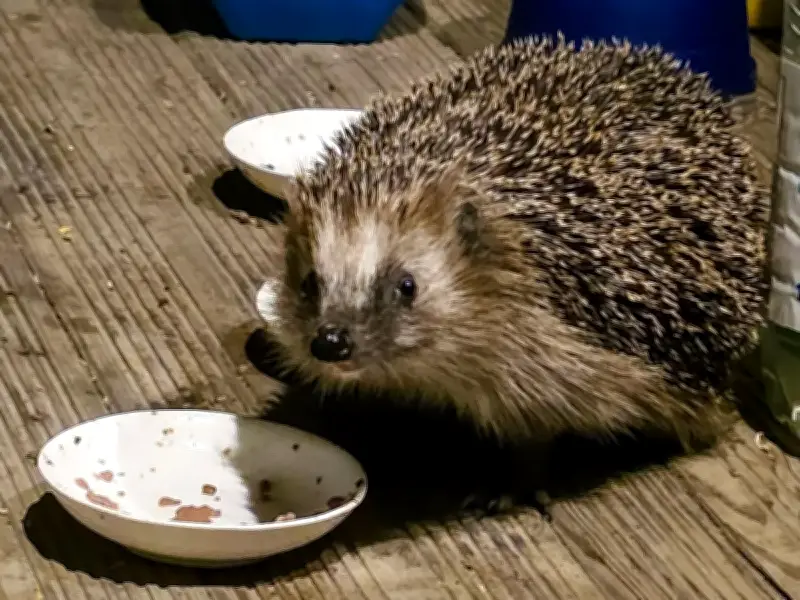
UK households are being urged to put out a small bowl of food, between 50 and 100g, to help hedgehogs prepare for hibernation, with wildlife experts calling it the "difference between life and death."
As autumn advances, hedgehogs are entering a critical period for survival. Following a challenging summer of drought and adverse weather conditions, they are in urgent need of support from British households, according to wildlife expert Sean McMenemy, founder of Ark Wildlife.
Hedgehogs are entering autumn with already depleted energy reserves due to scarce natural food sources and face a race against time to build up fat ahead of winter. With food becoming increasingly scarce in modern gardens and urban areas, and insect populations and natural habitats in decline, supplementary support is more important than ever.
Hedgehogs vulnerable to extinction
According to The Wildlife Trusts, hedgehogs are declining in the UK and are classed as vulnerable to extinction in Great Britain. Hedgehogs must reach a healthy weight before hibernation or risk dying.
A safe hibernation weight is approximately six hundred grams. McMenemy advises using a visual guide: a plump, rounded hedgehog roughly the size of a grapefruit (or ideally larger) is generally in good condition. Animals that appear small, thin, or under-rounded may not survive hibernation without intervention.
"Hedgehogs must carry enough energy to last through the winter months, when they will not eat at all," McMenemy says. "If they enter hibernation underweight, there is a high chance they will not wake in the spring."
Create 'hedgehog highways'
Around 70 per cent of a hedgehog's natural diet consists of beetles, caterpillars, worms, and other invertebrates. This provides essential protein, fats, and minerals. However, modern urban environments offer fewer opportunities to forage. Hard landscaping, habitat loss, and reduced insect diversity mean many hedgehogs simply cannot find enough food in autumn.
Creating small gaps at the base of fences, known as 'hedgehog highways', allows them to roam between gardens in search of food and shelter, McMenemy says. He adds that hedgehog numbers have fallen sharply in recent decades, particularly in rural areas. Gardens now play a crucial role in sustaining the species.
Supplementary feeding can be lifesaving
During autumn, supplementary feeding can be lifesaving. McMenemy recommends either a specialist hedgehog food that reflects their natural insect diet, or poultry-based cat or dog food. A small handful, approximately 50g-100g per hedgehog per night, is normally sufficient, he says.
Food should be placed in a quiet, sheltered area of the garden, ideally within a covered feeding station to prevent disturbance from pets or larger wildlife, he adds. Feeding at dusk aligns with natural hedgehog behaviour and helps ensure the food is eaten promptly.
"Hedgehogs are shy by nature," McMenemy explains. "They feed best when they feel secure, so providing cover is just as important as providing food."
Seek advice when concerned
Although hedgehogs are nocturnal, occasional daytime sightings are not always a cause for alarm. Nursing females and hungry juveniles will sometimes forage in daylight. However, any hedgehog that appears lethargic, unresponsive, staggering, shaking, or injured will need urgent care, and a wildlife rescue centre or vet should be contacted immediately.
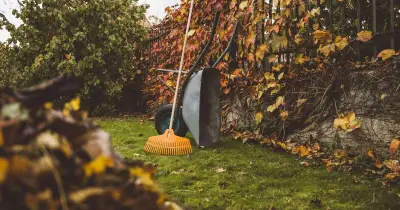
Simple wildlife-friendly gardening can dramatically improve hedgehog survival. Leaf piles, log stacks, and undisturbed corners support natural insect prey. Avoiding harmful chemicals and taking care when using strimmers can prevent many injuries. Never give hedgehogs milk because they are lactose intolerant and lack the digestive enzymes needed to process it. Consuming cow's milk causes painful stomach cramps, gas, and severe diarrhoea.
"Every connected garden becomes part of a larger habitat," McMenemy said. "If households work together, we can create continuous safe corridors for hedgehogs to feed and travel."
With winter approaching, the coming weeks will determine which hedgehogs will survive. Well-fed animals stand a strong chance of waking in spring. Underweight ones may not. McMenemy concludes: "This is the most important time of year to support hedgehogs. A bowl of food, a bowl of water and a safe space can be the difference between life and death."