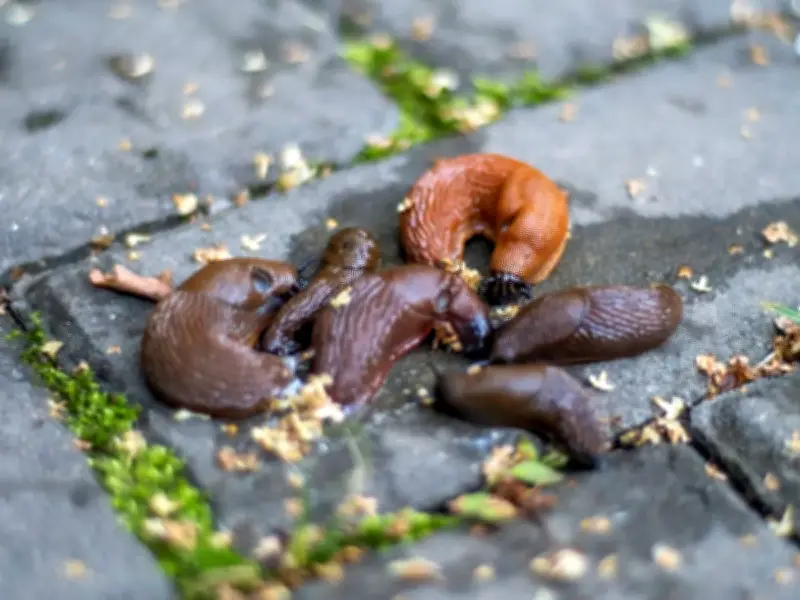
Snapdragons are a natural slug repellent, according to a gardener who discovered the flower's effect by accident. Jane, founder of Snap Dragon Life, told how slugs devoured her carefully nurtured seedlings but left the snapdragons untouched.
Jane said: "I planted out my rows of carefully nurtured seedlings - cornflowers, marigolds, poppies, cosmos, nigella, snapdragons. Within two days, the slugs had eaten everything but the snapdragons. Slugs don't like snapdragons."
Why Snapdragons Deter Slugs
Snapdragons generate compounds that are toxic to slugs but harmless to humans, the Express reports. They also hold less moisture than other plants and possess a sturdy, leathery texture, making a garden seem less appealing to slugs.
For best results, plant snapdragons close to vulnerable crops such as lettuces and cabbages, and position them along garden pathways and perimeter fencing.
Beer and Cereal Traps as Alternatives
If slugs are a major problem, a beer trap can attract and destroy them. Jane advised burying small jars or pots, such as single yoghurt pots, up to their necks between slug habitats and plants. Fill them with beer, and slugs will be drawn to the liquid instead of your plants, find it hard to escape, and die.
Jane said: "Slugs love beer, any beer, even the terrible beer that people bring to parties, even failed home-brew."
When beer is unavailable, cereal works just as well. Jane recommended using cheap own-brand Weetabix-type cereal placed between slugs and crops. Left outside, it ferments slightly and becomes irresistible to slugs.
Jane said: "The only thing better than beer in the mind of a slug is cereal. They can't resist it."
Place the cereal in a large container, wait for slugs to gather, then remove them manually or dispose of the container. Jane recalled using this method in her first garden, counting over 4,000 slugs before stopping. She advised leaving the Weetabix for three days, then collecting it at night when it should be covered with feasting slugs.