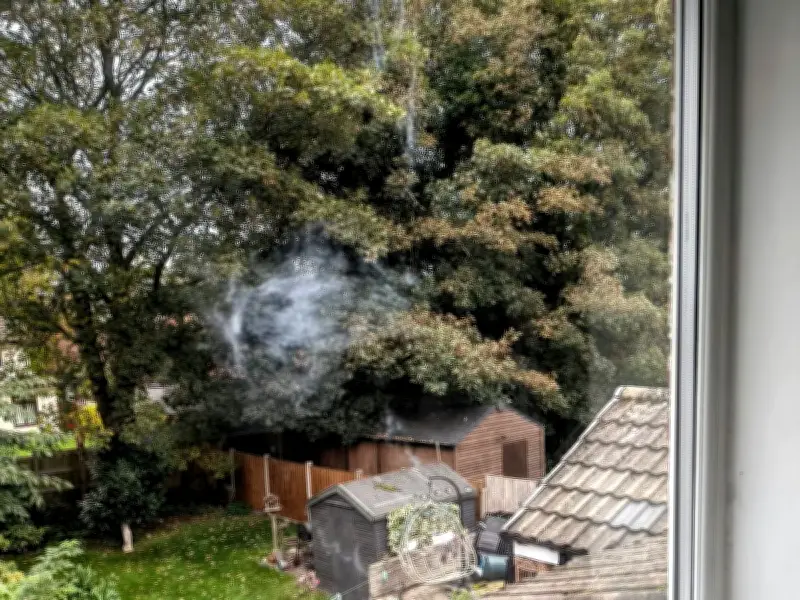
A bird flew into my window this week, leaving a dramatic imprint of its wings and body on the glass. The incident happened at my home in West Lancashire, where I found the mark of a wood pigeon that had crashed into my bedroom window. The bird had apparently shaken off the impact and flown away by the time I arrived home.
The imprint was left by powder down, a specialised keratin dust from feathers, mixed with waterproofing oils, dust and dirt from the bird's body. It is not the first time such an accident has occurred at my house, as large trees full of wood pigeons and other birds loom over the property. I recall at least one previous incident that proved fatal to the bird.
Millions of birds at risk during migration
As millions of birds prepare for their annual migration south, wildlife experts say this scene is being recreated up and down the country. According to estimates from the British Trust for Ornithology, a staggering 100 million bird strikes occur in the UK every year, with approximately a third of these collisions proving fatal.
With migratory species passing through built-up and urban environments, everyday glass windows present a serious threat to life. However, experts say a simple household craft project can dramatically reduce risk and protect garden birds.
Why windows pose a deadly threat
Wildlife expert Sean McMenemy, founder of Ark Wildlife, says that birds fly into windows because glass is invisible to them as a barrier. Instead, birds see clear reflections of surrounding greenery or perceive an open flight path directly through opposite windows, a dangerous phenomenon known as the "tunnel effect".
Sean continued: "Window-related deaths are a pressing issue, with more attention needed to prevent needless injury and pressures on already vulnerable bird populations."
The simple DIY paper hack
To make glass visible to birds, experts recommend breaking up reflections on the exterior surface of windows. The easiest hack involves cutting out pieces of scrap paper, card, or leftover material from around the house and attaching them to dangerous windows using Blu-Tack.
To be effective, patterns should be placed no more than two inches apart, while vertical markers should be spaced within four inches. Simple dots or creative shapes work well, making it an ideal activity to try with children. For those who prefer a ready-made option, specialised window-alert stickers are also available.
Which windows are most dangerous?
Homeowners should prioritise north-facing windows, as birds fly from north to south during autumn migration, placing these windows directly in their flight path. Windows looking onto garden areas—especially near feeders, bird baths, or dense shrubs—present the highest risk. Large bay windows, glass patio doors, and parallel windows across narrow rooms should also be treated immediately.
Extra steps to keep garden birds safe
Relocate houseplants: Indoor plants near window sills can confuse birds into thinking they are flying toward outdoor foliage. Move bird feeders: Position bird feeders and bird baths at least 10 metres away from window glass. Try a string barrier: Hang dark garden string or cord vertically on the outside of windows, spaced 3.5 to 4.25 inches apart.
Sean added: "Ensure to move any feeders away from windows for the time being, but don’t forsake feeding altogether. Make sure to leave out plenty of nutritious food for our birds, who will need to take on extra energy for the long flight across Europe and the Mediterranean Sea."