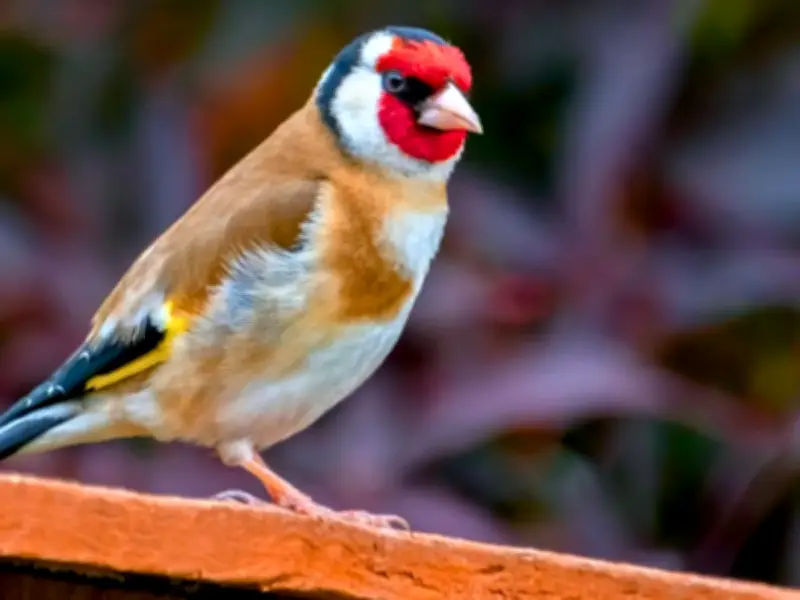
Gardeners who want to see goldfinches in their garden this autumn should plant teasels, a common British flower that requires minimal care, according to the Scottish Wildlife Trust.
Goldfinches are among Britain's most beloved birds thanks to their delightful song, and few things are more soothing than waking to the sound of their melodious chirping drifting through the garden. However, there may be fewer goldfinches around at present, as September marks the period when they must begin accumulating extra energy in preparation for the colder months ahead.
Why goldfinches need extra food now
Autumn is a crucial time when goldfinches require additional sustenance, as they are developing new plumage, which demands considerable energy, and they need to build up fat reserves to endure the winter months. They will begin travelling in substantial flocks to locate food sources, but regrettably, this summer's exceptionally dry conditions mean the tiny seeds goldfinches depend upon will be in shorter supply.

Fortunately, the Scottish Wildlife Trust has disclosed a straightforward method for gardeners to support goldfinches during autumn, as these birds are particularly fond of feeding on teasel plants.
They said: "If you'd like to attract these beautiful birds into your garden, you can plant one of their favourite foods, the teasel. Teasel plants are really great throughout the year, attracting insects with their purple flowers in the summer, and in the winter, the seed heads dry out, providing food for the goldfinch."
How teasels help goldfinches
Goldfinches must be selective about which seeds they consume, as their elongated and slender beaks mean extracting larger seeds from flowers can prove challenging for them. Teasels prove ideal for goldfinches, as their flowerheads brim with tiny seeds and boast robust stems, making it simple for these birds to feed on them.
What makes teasels particularly valuable, however, is that their seeds are abundant in fats and carbohydrates, supplying goldfinches with essential nutrients during autumn. Cultivating teasels represents one of the most beneficial ways gardeners can support goldfinches during a period when most of their natural food supplies become scarce, as teasels continue producing seeds even in chilly conditions.
How to grow teasels in the garden
Teasels are remarkably resilient plants, accustomed to flourishing in the chilly Scottish highlands, meaning they generally prosper regardless of your garden's soil composition. That said, they require plenty of moisture, so it is advisable to maintain damp soil while they are developing to ensure they remain in good health.
The optimum time to sow teasels falls between September and November owing to the milder conditions, though they can alternatively be planted during spring, typically around March. If you are cultivating them for goldfinches, plant multiple teasels in close proximity, as these birds prefer to move about in flocks, which will ensure a more generous seed supply for them.