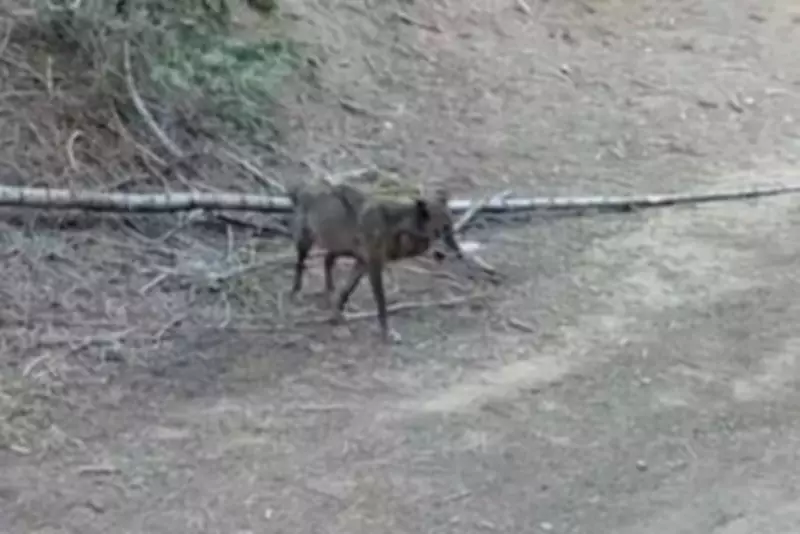
A gray wolf has been observed in Los Angeles County for the first time in more than a hundred years, representing a significant milestone in the state's wildlife recovery efforts. The wolf, identified as a three-year-old female, was sighted in the mountainous region north of Santa Clarita on Saturday morning. This event marks the initial documented appearance in the county since California's wolf population was eradicated by hunters and trappers approximately a century ago.
Journey and Significance of the Sighting
The return of wolves to California began in 2011 when a wolf crossed into the state from Oregon. This particular wolf, known as BEY03F and born in 2023, has traveled an impressive distance of over 370 miles southward. Officials from the California Department of Fish and Wildlife believe that she is actively searching for a mate and appropriate habitat to establish a new territory.
The sighting is hailed as a historic moment for the resurgence of wolves in California, underscoring progress in conservation initiatives. However, concerns persist regarding potential risks, such as vehicle collisions, as the wolf continues to move through populated areas.

Conservation Efforts and Legal Protections
Wildlife experts attribute this remarkable return to the diligent monitoring efforts conducted by the state Department of Fish and Wildlife. Additionally, the gray wolf benefits from protection under the California Endangered Species Act, which has played a crucial role in safeguarding these animals and facilitating their gradual re-establishment in the region.
Officials estimate that there are currently at least 60 wolves residing in California today, indicating a positive trend in population recovery. This sighting not only highlights the resilience of the species but also emphasizes the importance of ongoing conservation strategies to ensure their long-term survival and integration into the ecosystem.