
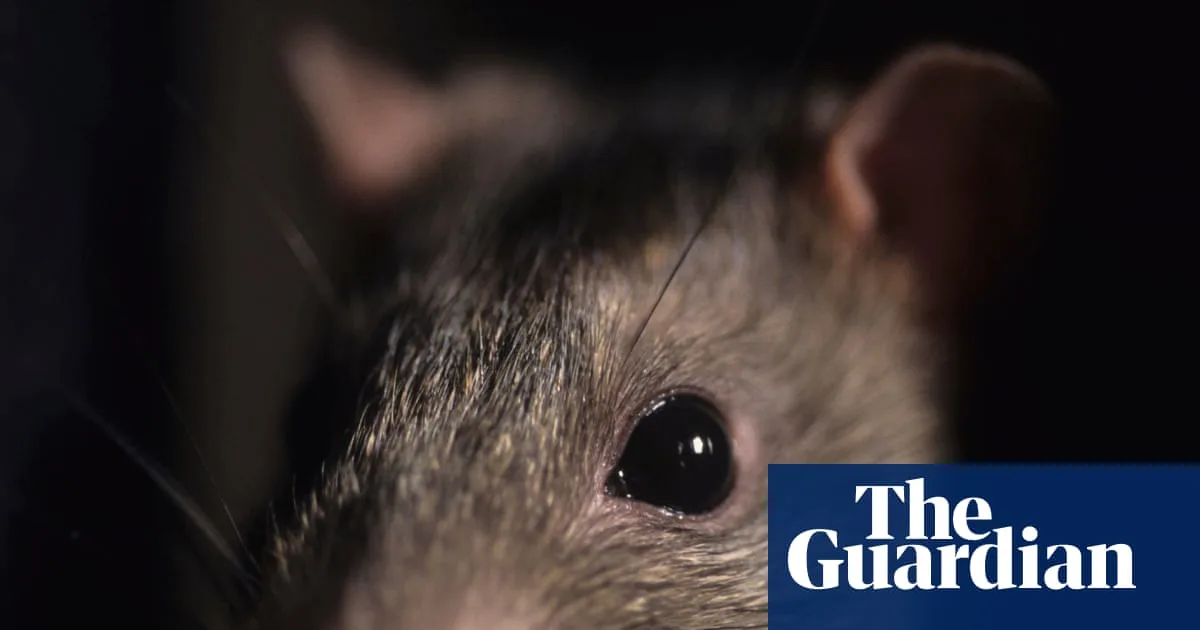
A pest controller in Normanby, Teesside, has discovered a giant rat measuring 22 inches (56 cm) in length, surpassing the previous record of 21 inches set by the 'Dorset mega-rat' in 2018. The rodent, found dead in a home, is longer than an average cat (excluding tail) and has been described as looking like a 'meerkat on steroids'. Local councillor David Taylor attributed the find to overflowing public bins and overgrown vegetation, calling it 'a growing problem'.
While the Teesside specimen is exceptional—most rats are only 6-11 inches long—it highlights a broader global surge in rat populations. Research published in January 2025 found significant increases in 11 global cities, including a 390% rise in Washington DC, 300% in San Francisco, and 186% in Toronto. New York City, estimated to host 3 million rats, has appointed a 'rat tsar' to tackle the issue.
In the UK, similar conditions—warmer temperatures, growing urban populations, and reduced bin collections—are fueling rat numbers. A recent bin strike in Birmingham created a 'banquet' of refuse for rats. The rodents pose serious risks: they can damage infrastructure, contaminate food supplies (costing an estimated $27 billion annually in the US), and carry around 50 zoonotic diseases, including salmonella and leptospirosis. Infestations also negatively impact mental health.
Rats are highly fertile, potentially conceiving every 25 days, and can survive on as little as an ounce of food daily. Management strategies include poisoning, trapping, and limiting food sources, with some cities experimenting with rat birth control. However, experts warn that humans are 'fighting a losing battle' against the adaptable pests.




