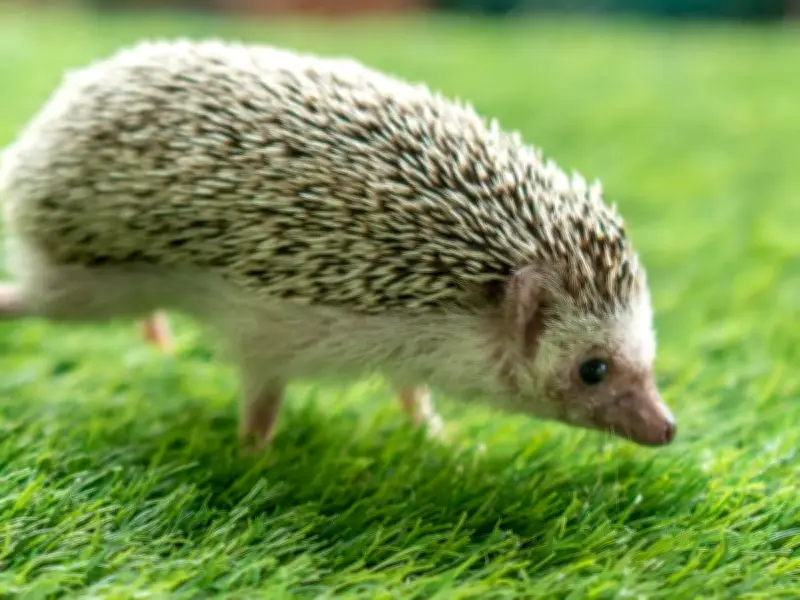
As temperatures drop and days shorten, hedgehogs are feeding heavily ahead of winter hibernation, and BBC Gardeners' World has shared advice on how gardeners can help them survive the colder months.
What to Leave Out for Hedgehogs
According to BBC Gardeners' World, anyone with outdoor space can assist hedgehogs by leaving out food and water, or by providing a safe hibernation spot. The magazine recommends putting out chicken-flavoured cat or dog food, or specially made high-calorie, vitamin-enriched crunchy biscuits formulated for hedgehogs.
Simply leave out a regular portion of pet food overnight and continue doing so until it stops being eaten later in the season, which signals that local hedgehogs have settled into hibernation. Alongside the food, placing out a shallow dish of fresh water is also highly advisable.
Spotting Hedgehogs in Need
Later in the year, once the cold has truly set in and most animals have gone into hibernation, keep a watchful eye out for any hedgehogs still roaming about, as they may be seriously unwell or too underweight to survive the winter. If so, contact your nearest hedgehog rescue centre.
Building a Hedgehog House
If you have the room, consider building a hedgehog house as a more permanent way to protect these garden visitors. You can construct a straightforward, predator-proof hedgehog house using untreated timber, a plastic storage container, or arranged bricks. An internal baffle or tunnel prevents cats and dogs from entering while blocking chilly draughts.
To construct a proper one, you'll require untreated FSC plywood (at least 1.5-2 cm thick) or reclaimed pallet timber, screws or nails, and metal hinges for a removable or hinged roof. For weatherproofing the roof, use dry leaves, straw, or meadow hay, together with a plastic sheet or bag.
Quick Shelter Options
If you've got some spare bricks and a paving slab to hand, you can create a simple, robust "Lego-style" shelter in less than 10 minutes. On a level piece of sheltered ground, arrange roughly 20 to 30 loose house bricks to form an "e"-shaped layout. This configuration naturally creates a snug main nesting chamber and an integrated entrance corridor to deter predators. For the roof, stack the bricks 2 or 3 layers high, add some dry leaves inside for bedding, and place a heavy paving slab or a large piece of slate on top.
An even more straightforward option involves converting an upside-down plastic storage container or crate into a waterproof hedgehog refuge by using scissors or a utility knife to cut a 13 cm x 13 cm entrance hole in one side, lining the cut plastic edge with heavy duct tape or electrical tape, and punching a few tiny air holes near the top rim for ventilation.