Gardeners are being urged to plant roses this November, as the Royal Horticultural Society (RHS) advises that late autumn is the ideal time for bare-root specimens to establish before spring growth begins.
Roses remain a popular choice in British gardens, valued for their colour, scent and classic charm in borders and beds. While many gardeners wait until spring to introduce new plants, autumn and winter offer an opportunity to get ahead, particularly with bare-root specimens.
According to the RHS, planting roses during late autumn allows gardeners to take advantage of the dormant period, helping plants become established before the next year's growth. They should be planted and tended throughout the winter, though they are remarkably resilient.
Bare-root rose season begins
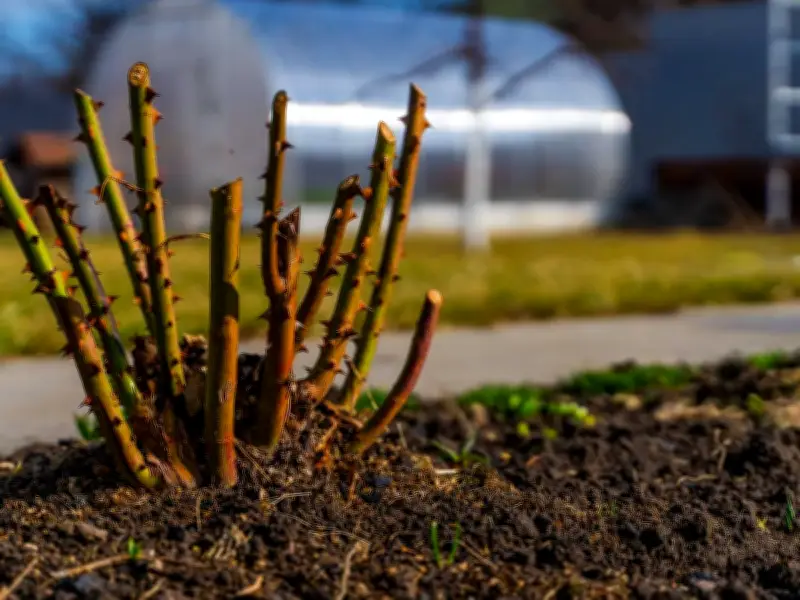
November marks the start of the bare-root rose season, with these plants typically available for purchase between November and March. Unlike container-grown roses, bare-root specimens are lifted from the ground while dormant, with minimal or no soil around their roots.
They are often more affordable than container-grown roses and provide an excellent way to fill gaps in large borders. The RHS advises planting bare-root roses now, but gardeners should avoid doing so when the ground is frozen or waterlogged, as these conditions can hinder establishment.
It is also important to avoid planting where roses have previously been grown, due to the risk of replant disease, also known as rose sickness.
How to plant roses
Choosing the right location is one of the most critical steps. The RHS advises selecting a sunny position with well-draining soil that does not dry out completely during the summer. Roses need approximately four hours of sunlight per day and should be sheltered from exposed, windy spots.
Before planting, gardeners should enrich the soil with well-rotted organic material. Dig a hole roughly twice the width of the rose's root system and about the depth of a spade's blade. Place the rose in the centre, ensuring the point where the stem meets the rootstock is level with the soil.
The RHS cautions that planting too deeply can increase the risk of rose dieback. The soil should be gently firmed down around the roots.
Aftercare
Newly planted roses need consistent watering during their first few years, especially in summer. Applying a layer of mulch can improve soil quality and help retain moisture. Roses should also be pruned during their first winter, with the timing and degree of pruning depending on the variety.