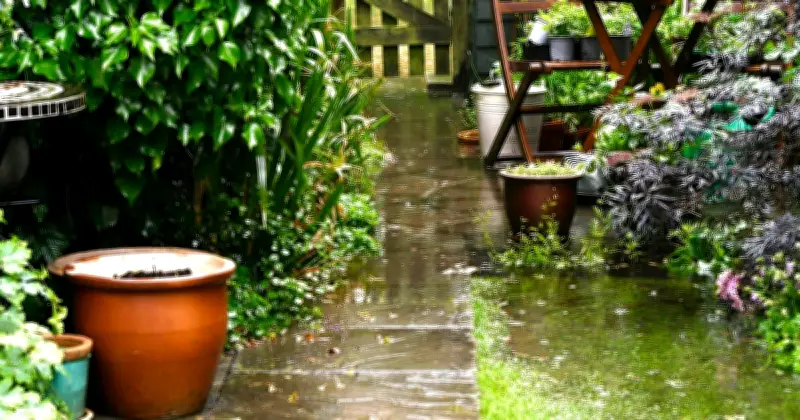
Following a scorching summer that placed enormous strain on plants, the arrival of autumn has brought a welcome burst of rainfall that will come as a great relief to gardeners across the UK. While most lawns and borders are eagerly soaking up the long-awaited moisture, gardeners are being urged to stay on their guard against slugs and snails. These slimy pests are expected to appear in vast numbers as the wet weather returns, having built up a voracious appetite during prolonged dry spells.
A simple deterrent without chemicals
A surge in slug and snail activity can cause devastating damage to plants that are only just starting to recover from drought conditions, potentially wiping out beloved flowers if the problem goes unchecked. Thankfully, Sara McFall, a gardener and founder of My Merry Messy Life, has shared a remarkably simple method to keep these pests at bay without turning to harmful chemicals or spending a single penny.
Sara said: "All of those plants are delicious snacks for little snails and slugs and they will eat them to death if we let them. Since we are also passionate about not using chemicals in the yard, we had to get creative to get rid of those slimy thieves. The solution? Eggshells!"
Why eggshells work
It might sound surprising, but slugs and snails have exceptionally soft, mucus-coated bodies, making the sharp, jagged edges of crushed eggshells a highly effective barrier that these creatures will be most unwilling to crawl over. Slugs and snails need substantial moisture to survive, and eggshells can both injure them and dry out their bodies, making it challenging for them to move, reports SurreyLive.
Eggshells effectively form a protective barrier that slugs and snails are unwilling to traverse, making them one of the easiest ways to defend a garden using something most homes throw away. What makes eggshells especially valuable is their double benefit – they don't just deter slugs and snails but also improve the soil as they break down, supplying plants with vital nutrients to help them cope with the colder autumn conditions.
How to use eggshells to protect garden plants
The method is simple: gather eggshells by keeping them in a jar. Make sure you rinse the shells under running water before storing them. Cleaning the shells properly is essential; neglecting this step might draw flies and other nuisance insects to your garden when they're positioned outside.
Next, allow them to dry completely to enhance their sharpness. They can either be left outdoors to harden in the sun or popped in the oven for a short time. Once the eggshells are completely dry, put them in a plastic bag and break them up using a rolling pin.
Scatter the crushed eggshells around the base of plants and throughout flowerbeds needing protection, which ought to offer sufficient defence for your treasured plants against these bothersome garden pests. It is important to note that shells can break down quickly in wet weather, so it is advisable to keep adding fresh eggshells each week to stop slugs and snails from making a permanent comeback. Sarah said: "Add more shells every week. We've found that to be the most effective - when we skip a week, they come back."