Gardeners are being urged to leave five key foods on their bird tables this September to help migrating birds. As summer ends, the types of birds visiting gardens change, and with it, the food that should be offered.
September marks a transition for garden birds
Through most of the summer, a range of birds frequent gardens, including blackbirds, crows, magpies, robins, starlings, bluetits, great tits and finches. But September brings a shift, as non-native species begin their migration south for the winter, while other species return to the UK for winter, in a sort of one-in-one-out policy in nature.
Other birds, such as coal tits and jays, stay in the UK all year round. According to bird feeding experts, this change means the types of birds seen in gardens will alter from September, and the food left out should change too.
Five key foods recommended by bird feed firm
Bird feed firm Haith’s says September is a month of transition in gardens, and a mix of five key foods should be left out as autumn approaches. The company states: “As September rolls in, our gardens and woodlands are alive with bird activity. This transitional month is marked by the beginning of autumn migration, where many species prepare for their long journeys south, while others start to settle in for the winter. Feeding wild birds during this time not only supports them but also offers a delightful spectacle for bird watchers.”
Haith’s adds: “September is a pivotal month for migration. Swallows, house martins, and warblers begin their journey to Africa, leaving behind the cooler UK. Meanwhile, winter visitors such as redwings and fieldfares start to arrive from Scandinavia, seeking refuge from the harsher conditions up north.”
The firm continues: “By providing a steady supply of food, you’ll not only support these birds during their crucial migrations but also enjoy the vibrant diversity of species that September has to offer.”
High-energy options to support birds
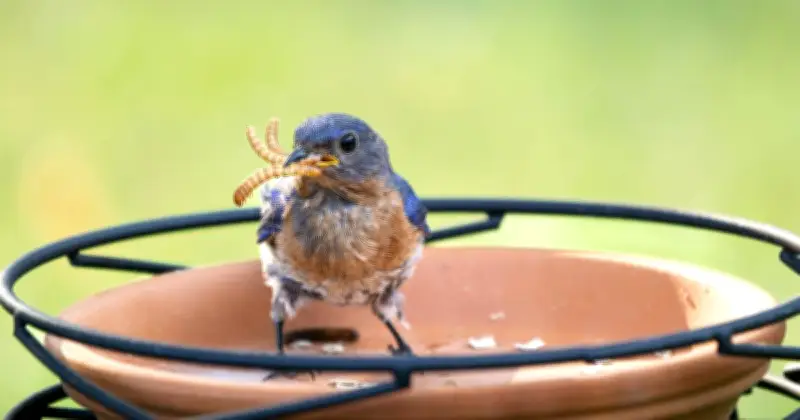
Haith’s lists the five key foods, explaining: “As natural food sources begin to dwindle, offering a variety of bird food can help birds build up energy reserves for migration or to survive the colder months ahead. Fat balls, suet blocks, and sunflower hearts are excellent high-energy options. Mixed seeds, especially those with a high proportion of black sunflower seeds, will attract a variety of species. Additionally, mealworms can be offered to attract insectivores like robins and wrens.”