As summer ends and temperatures drop, birds face fewer natural food sources and less daylight, making it harder to get the energy they need. The Royal Society for the Protection of Birds (RSPB) has advised gardeners to start one regular task this autumn to help UK birds: "Put out bird food and water on a regular basis through autumn and winter."
What to feed birds in autumn
During colder weather, birds need high-energy, high-fat foods to maintain their energy levels. From the beginning of May to the end of October, gardeners can offer small amounts of mealworms, fat balls or suet. Protein-rich foods such as mealworms can support birds during the breeding season.
The RSPB advises: "Always adjust the quantity given to the demand, and never allow uneaten foods to build up. Food in feeders should be eaten in one to two days, and suet balls eaten within seven days. When refilling, remove any old food first."

Seasonal feeding tips
Natural food is more plentiful during summer and early autumn, so birds need less supplementary food. As autumn progresses, gardeners can continue providing suitable foods, with seeds and peanuts recommended between November and April.
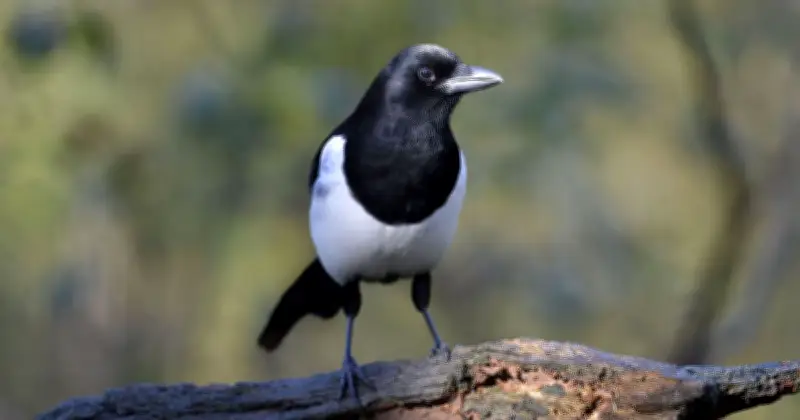
Robins can enjoy mealworms and fruit such as raisins or apple chunks, provided there are no pips. Magpies can also be offered mealworms, raisins and pieces of apple.
Keeping birds safe
To help prevent disease, use hanging feeders where possible, keep food dry and clean feeders weekly. Remove uneaten food to avoid attracting rodents, and refresh drinking water every day. The bird experts stated that good bird feeder hygiene is essential for preventing the spread of disease. Gardeners should brush away any debris anytime they refill the feeder.
Bird feeders should be cleaned thoroughly with a mild disinfectant solution once a week. To prevent droppings and food waste from building up underneath, move feeders to a different spot after cleaning. Water containers should be rinsed and refilled with fresh tap water every day. Homeowners should also disinfect them weekly and allow them to dry completely before adding fresh water.
The RSPB warned: "If you see a sick bird on your feeders, stop feeding altogether, thoroughly clean your feeders and store them away from the garden (e.g. in the garage or shed). Only resume feeding after two to four weeks, but stop and repeat the process if you see any more sick birds."