Hydrangea blooms are beginning to wilt as summer draws to a close, but gardeners can carry out a straightforward task to help the plant get ready for autumn. The hydrangea flowering period typically begins to wind down in late August, meaning the plants will now be displaying signs of fatigue and appearing less vibrant than they were just a few weeks ago.
However, the horticultural specialists at Mill Creek Gardens have explained that it is remarkably simple to keep hydrangeas robust, as gardeners simply need to take a few moments to deadhead them.
They said: "When you deadhead hydrangeas, you aren't harming the plants at all. Removing the spent blooms triggers flowering shrubs to stop producing seeds and instead put their energy toward root and foliage development. This makes plants stronger and healthier, so by deadheading, you'll be doing your hydrangeas a favour."

Why deadhead hydrangeas in late August?
Deadheading is the straightforward gardening technique of cutting away any wilting petals on a flower so it can channel its resources into helping strengthen and develop other areas of the plant. This can help any lingering flowers on a hydrangea remain healthy so they continue to look attractive, and gardeners may even get a handful of additional late-season blooms.
Nevertheless, the primary reason to remove faded flowers now is to prompt hydrangeas to channel more resources into developing larger leaves and stronger roots. This helps hydrangeas accumulate more energy to prepare for cold weather, and a well-prepared plant is more likely to yield larger blooms next year.
Waterlogged, decaying blooms also retain a considerable amount of moisture, which can promote mould and other fungal infections, so spending a few moments deadheading now significantly reduces the risk of hydrangeas becoming diseased come autumn.
How to deadhead hydrangeas
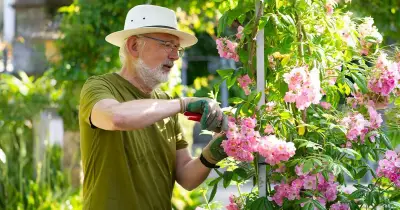
Deadheading is remarkably straightforward, requiring only a few seconds or at most a couple of minutes. Gardeners should identify any spent blooms that appear brown or wilted on the plant and trace the stem down to the first set of leaves.
Take a pair of clean secateurs and snip the stem just above the healthy leaves, ensuring you are cutting only into the soft green stem and not the thicker, woodier sections of the plant. At this time of year, it also helps to keep a cloth dampened with alcohol nearby to wipe down the secateur blades, as fungal infections and mould are particularly prevalent in late summer, and cleaning the blades regularly helps prevent any disease from spreading further.
Simply inspect your hydrangea once a week to determine whether it requires deadheading, and the plant will be considerably stronger and far better equipped as we move into autumn in September.