Gardeners are being urged to watch for Japanese knotweed, an invasive plant that becomes particularly noticeable in late summer. The fast-growing plant can quickly dominate areas of the garden and is known for spreading from tiny fragments of its underground rhizomes.
Why Japanese knotweed is a concern
Invasive plants can have detrimental effects on a property, lowering a home's value and preventing new buyers from obtaining a mortgage. Japanese knotweed is the most visible in August, when its tall, bamboo-like stems and creamy white flowers make established growth easier to spot.
The plant can cause problems beyond the garden, including competing with native plants and growing through cracks and weaknesses in hard surfaces.

How to identify Japanese knotweed
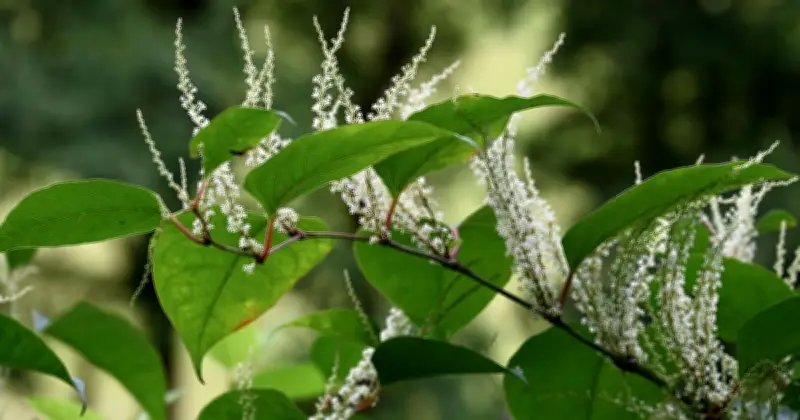
Japanese knotweed can be identified by its bamboo-like stems and leaves arranged in a distinctive zigzag pattern, with creamy white flowers appearing in late summer. The Royal Horticultural Society (RHS) says correct identification is important because several other plants can and do look similar.
What makes it a problem
The plant is classed as an invasive non-native species and is listed under Schedule 9 of the Wildlife and Countryside Act 1981. According to the RHS, its vigorous rhizomes allow it to form dense strands that can outcompete native plants for space, light, moisture and nutrients. It can also worsen existing cracks and weaknesses in paving.
The RHS warns that Japanese knotweed can grow from very small fragments of rhizome and stem, while rhizomes can remain dormant in the soil for years. This means attempts to dig it out or dispose of it incorrectly can actually risk spreading the problem further.
What gardeners should do
The RHS says the easiest and most effective way to deal with the plant is to use a professional company specialising in Japanese knotweed. Gardeners should not, under any circumstances, put the plant in home compost, council green-waste collections, or household waste bins.
With August offering a good opportunity to spot the plant, gardeners should check their borders, boundaries and areas around sheds, fences and paths before September. Catching suspected Japanese knotweed early and getting the right advice is key to preventing it from becoming a much larger problem.