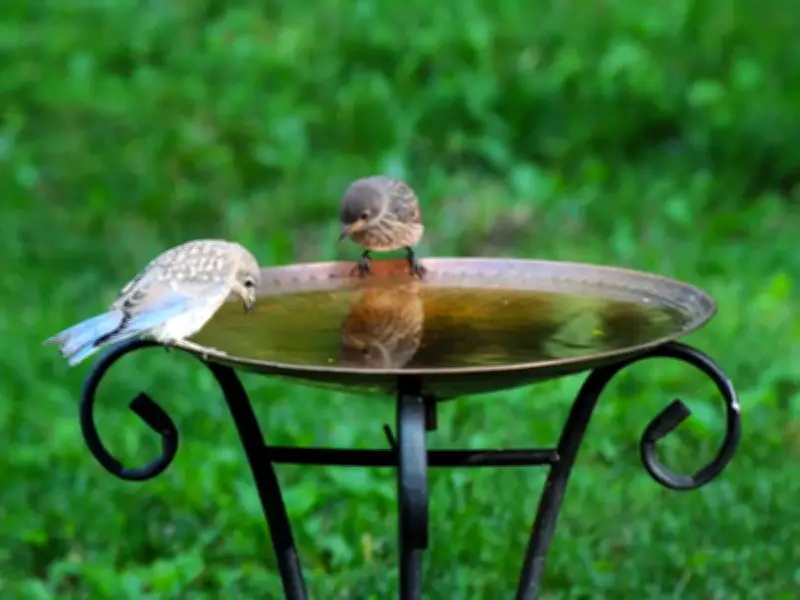
A viral tip urging gardeners to place a penny in their bird bath in August has sparked warnings about which pennies are safe to use. The method, popular online, claims to reduce algae growth, but only pennies made before 1982 are mostly copper and effective. Pennies minted after that date are mostly zinc, which can corrode in water and release toxic levels of zinc, potentially harming birds.
Copper vs. zinc pennies
TikTok user gigisgardentips posted a video, viewed over 80,000 times, demonstrating the trick. The video's caption says: "Head of the penny hack to keep algae out of your bird bath? It works by please use the right penny. Pennies made before 1982 are mostly copper, which has natural antimicrobial properties that help slow algae growth. But pennies made after 1982 are mostly zinc, and if they corrode in water, they can release zinc into the birdbath. Even small amounts of zinc can be toxic to birds, leading to metal poisoning. Always check the date before dropping a penny in your birdbath-the birds' health depends on it."
The clip shows the user dropping an old penny into a clean, water-filled bird bath, a process taking seconds. The user claims it helps keep green algae under control. The footage drew hundreds of responses, with one viewer noting: "Not everyone knows that it can't be just any old penny. There are also copper discs you can buy for bird baths." Another commenter said: "I have an old penny in my bird bath and it's stopped the algae growth completely." A third added: "I use this trick, but also wash my bird bath out every day in the summer."

RSPB cleaning advice
Bird baths can rapidly become breeding grounds for algae, especially in warmer months when water is exposed to sunlight for extended periods. Routine cleaning remains the safest approach to maintaining fresh water. The RSPB (The Royal Society for the Protection of Birds) advises using a ready-to-use spray cleaner safe for cleaning bird feeders and baths. This should be applied regularly and scrubbed thoroughly to remove stains and algae. Cleaning frequently can help curb the transmission of infectious diseases.
They said: "Disease has been linked to population declines in some species, and dirty feeders can harbour pathogens and increase the risk of cross-contamination between the birds that visit them. Keeping on top of your cleaning regime will help prevent the risk of spreading disease." Should a specialist cleaner not be available, a soapy washing-up liquid solution can be used as an alternative, but it must be thoroughly rinsed away before topping up the bath.