Selective breeding of foxes in a generations-long Siberian programme has produced measurable changes in the animals' brains, according to a new study published in the journal Current Biology. Researchers found alterations in the ventromedial hypothalamus, a brain region known to drive aggression and decisions related to play.
Brain changes in bred foxes
The study examined foxes involved in a domestication project in Siberia, Russia, where kits have been selectively bred for friendliness over many generations. The findings indicate that the brain's structure can be shaped by selection.
Carl Soulsbury, a professor of animal ecology at the School of Natural Sciences at the University of Lincoln, said: “It shows that fox behaviour, and the brain behind it, can be shaped by selection. But it took a controlled breeding programme to do it. That's what domestication is: genetic change over many generations, driven by people choosing which animals breed.”
Urban 'self-domestication' debate
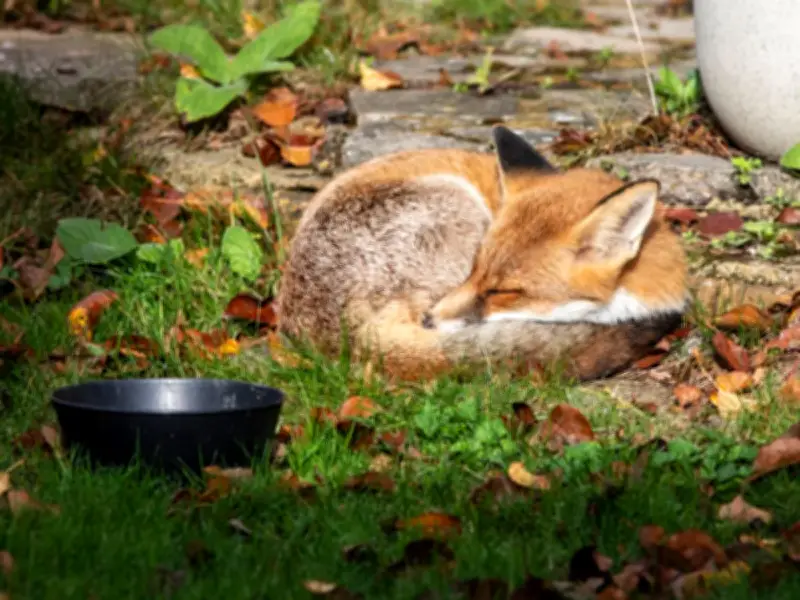
Prof Soulsbury noted that some experts believe foxes in urban settings are undergoing a “self-domestication” process, though not in the sense that the animals are likely to become pets. He described the process as an interactive feedback loop rather than a one-way process dictated purely by humans.
“Wildlife actively exploits urban niches, the individuals that cope best with people do well, and over time that can shift the population. There is some physical evidence too. A study of London foxes found that urban foxes have shorter, wider snouts and smaller braincases than rural foxes, changes that resemble those seen in domesticated animals,” he said.
Future of fox domestication
Prof Soulsbury added that these findings echoed his own research. He said: “That fits our own finding that foxes in longer-established urban areas explore and problem-solve more. But we don't yet know how much of this is inherited rather than a response to the urban diet and lifestyle.”
He believes mankind may one day domesticate the orange canid through a human project, but is doubtful the process will happen in the wild. “A small group could be, through a controlled breeding programme like the one in the study. But that would be a human project, not something wild urban foxes are doing on their own. People have in the past kept tame foxes for thousands of years. But none of these led to a domestic fox, unlike the wolves that became dogs. Tame foxes can behave a lot like dogs (like many other canids), but are still ultimately a tame wild animal.”